 Tesla team | 07.10.2024
How Battery Storage Is Changing the Game in Renewable Energy
Battery storage solves the main weakness of renewable energy – its variability – and delivers stability, savings and energy independence.

In recent years, renewable energy has taken centre stage in the search for sustainable, environmentally friendly ways to meet our energy needs. Solar and wind power, the two most widespread forms of renewable energy, offer a promising way to reduce our dependence on fossil fuels. Their main drawback, however, is intermittency – the sun does not shine at night and the wind does not blow all the time. This is where battery storage comes in, revolutionising how renewable energy is managed and used.
Stability and reliability
The main benefit of battery storage is its ability to store surplus energy generated during the day or in strong winds, which can then be used when generation drops or demand rises. This brings much greater stability and reliability to the renewable energy system and reduces the need to rely on fossil fuels as a backup source.
More efficient use of resources
Battery storage enables more efficient use of renewable energy sources. Because energy can be stored and used later, energy waste is reduced and the overall efficiency of the energy system increases. This not only helps protect our natural environment but can also lead to lower energy costs.
Supporting energy independence
Battery storage opens up new possibilities for households, businesses and communities seeking to become energy independent. Their own battery storage allows users to store surplus energy from renewable sources and use it when they need it most, reducing their dependence on the traditional power grid.
Accelerating the transition to renewables
Integrating battery storage into the energy system has the potential to accelerate the shift from fossil fuels to renewable energy. With a greater ability to store and efficiently use renewable energy, these sources can be used more consistently and reliably, contributing to faster progress in sustainable energy.
Understanding the variability of renewables
The fundamental problem with renewable energy is its inherent variability. Solar panels generate energy only during the day, and their output changes with cloud cover. Wind turbines depend on the strength and consistency of the wind. This intermittency creates challenges for power grids, which must ensure a stable and reliable energy supply.
The role of battery storage in the energy system
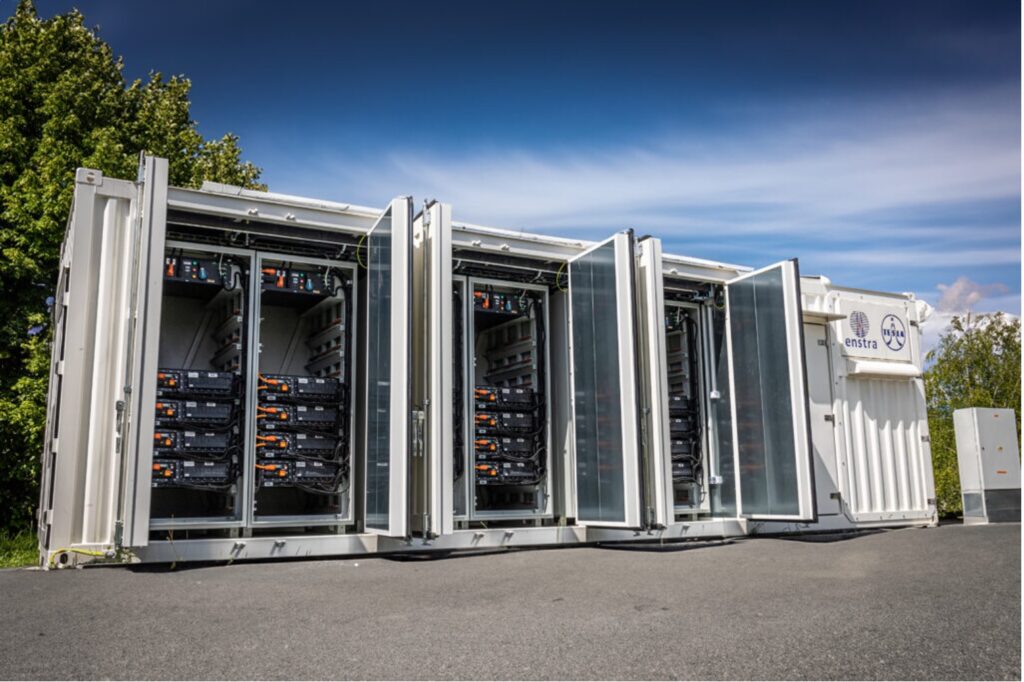
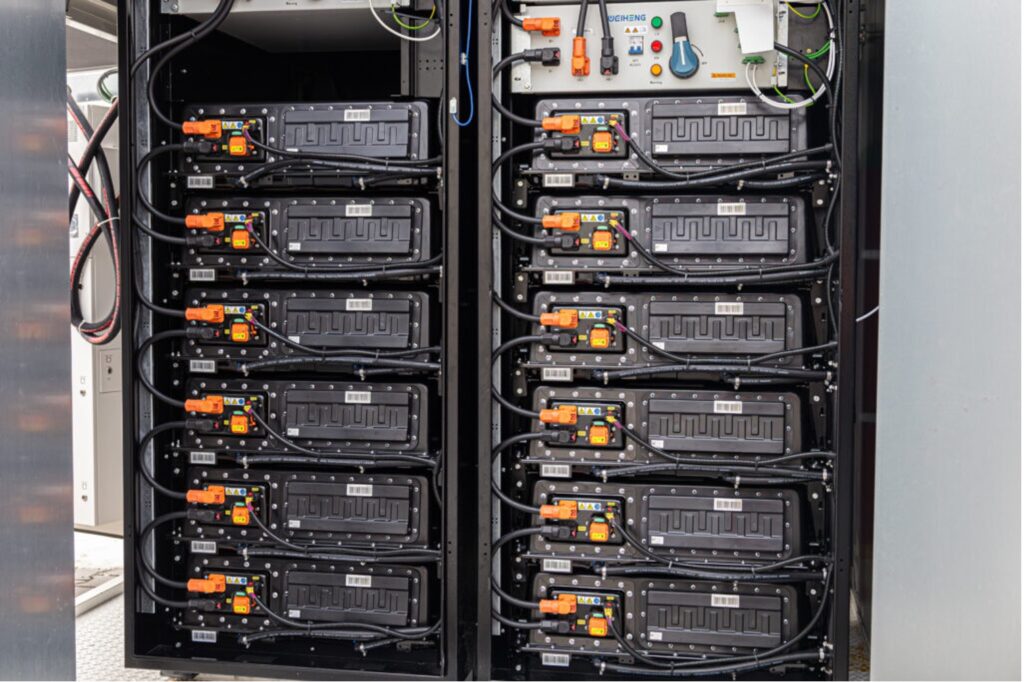
Battery energy storage systems provide a way to store energy generated from renewable sources and release it as needed, even when those sources are not active. This invaluable flexibility means energy systems can balance supply and demand more effectively, reduce reliance on fossil fuels and increase the share of renewable energy in the grid.
Economic and environmental impact
From an economic perspective, battery storage can reduce energy costs by allowing consumers and businesses to store surplus energy during periods of low demand and use it at peak times, when prices are higher. From an environmental perspective, it reduces dependence on fossil fuels and helps cut greenhouse gas emissions by optimising the use of renewable energy sources.
Challenges and future developments
Despite significant progress in battery technology and falling costs, certain challenges remain, including the need to further improve energy density, reduce costs and ensure that materials are recycled at the end of a battery's life. Future development is likely to focus on materials innovation, efficiency improvements and new technologies for long-duration energy storage.
Global impact and policy initiatives
At the global level, governments and international organisations are focusing on policies and initiatives that support the development and integration of battery storage into energy systems. These include investment in research and development, financial incentives for businesses and households to install storage, and rules for integrating these systems into national power grids. Battery storage is at the forefront of the renewable energy revolution, offering the key to overcoming one of its biggest challenges – variability. By storing energy for later use, these technologies enable more stable and efficient use of renewable sources, helping to create a more sustainable and cleaner energy future. As we continue along this path of innovation, it will be crucial to address the remaining challenges and work together to support and expand the use of battery storage as an integral part of our transition to renewable energy. At a time when the world is searching for solutions to the climate crisis, battery storage represents a major step forward. It not only allows us to use renewable energy more efficiently but also offers a path to a more stable, sustainable and independent energy future.