Production and assembly of battery storage systems
Our modern production facility in Žilina is the heart of TESLA ENERGY GROUP – a space where traditional engineering meets cutting-edge technology, automation, and strict adherence to international standards.
What is a BESS battery storage system used for
Energy storage is the foundation of a modern energy system. It is what allows us to fully utilize renewable sources such as solar, wind, and hydropower.
Storage systems capture surplus electricity and release it when demand is highest. They stabilize the grid, reduce dependence on distributors, and increase supply reliability.
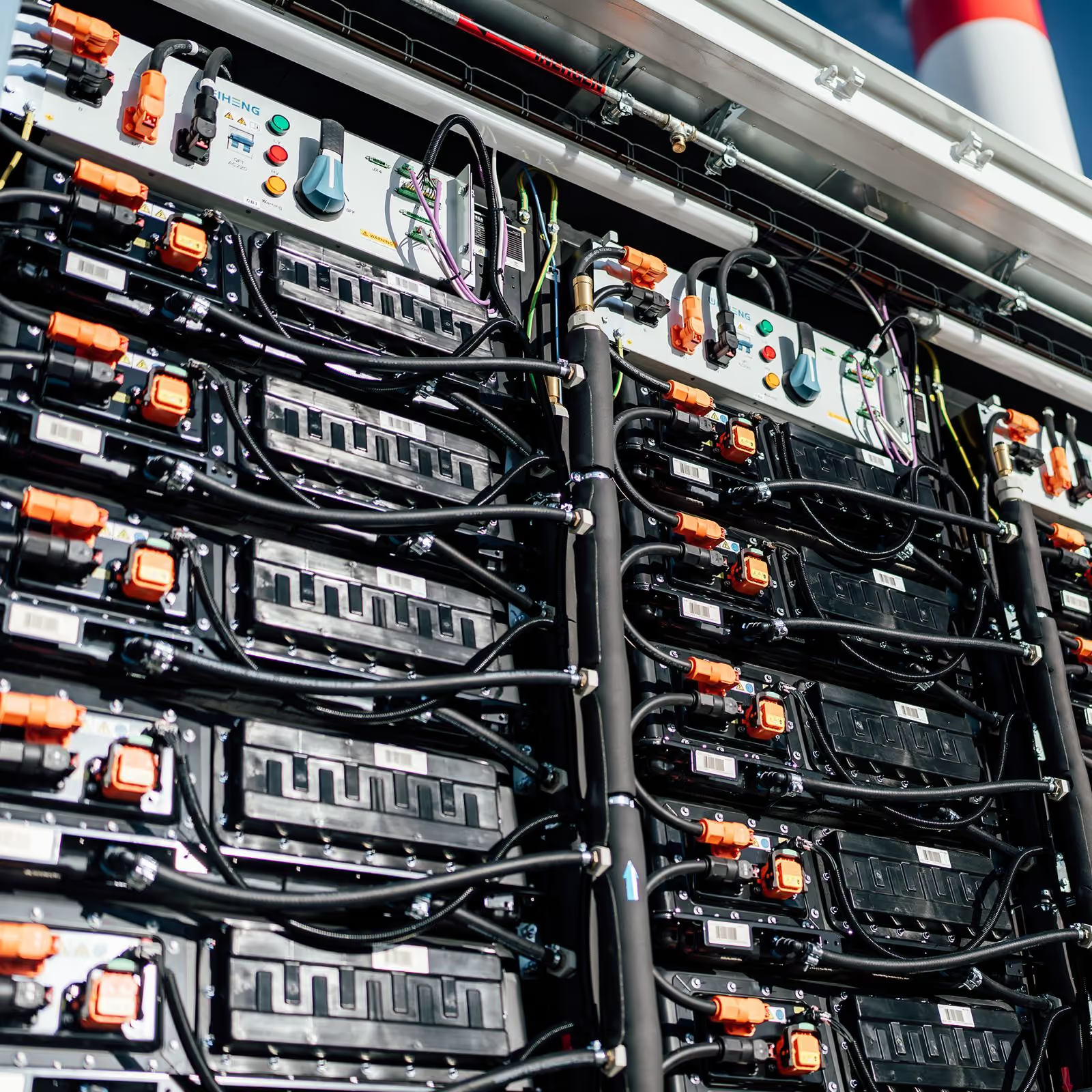
Production and assembly of battery storage systems
The production plant in Žilina is the heart of TESLA ENERGY GROUP—a place where traditional engineering meets automation and state-of-the-art technology.
In our 3,500 m² assembly hall with an annual capacity of 250 MWh, we manufacture complete battery storage solutions. Production follows European standards and regulations, ensuring high technical quality, safety, and environmental responsibility.
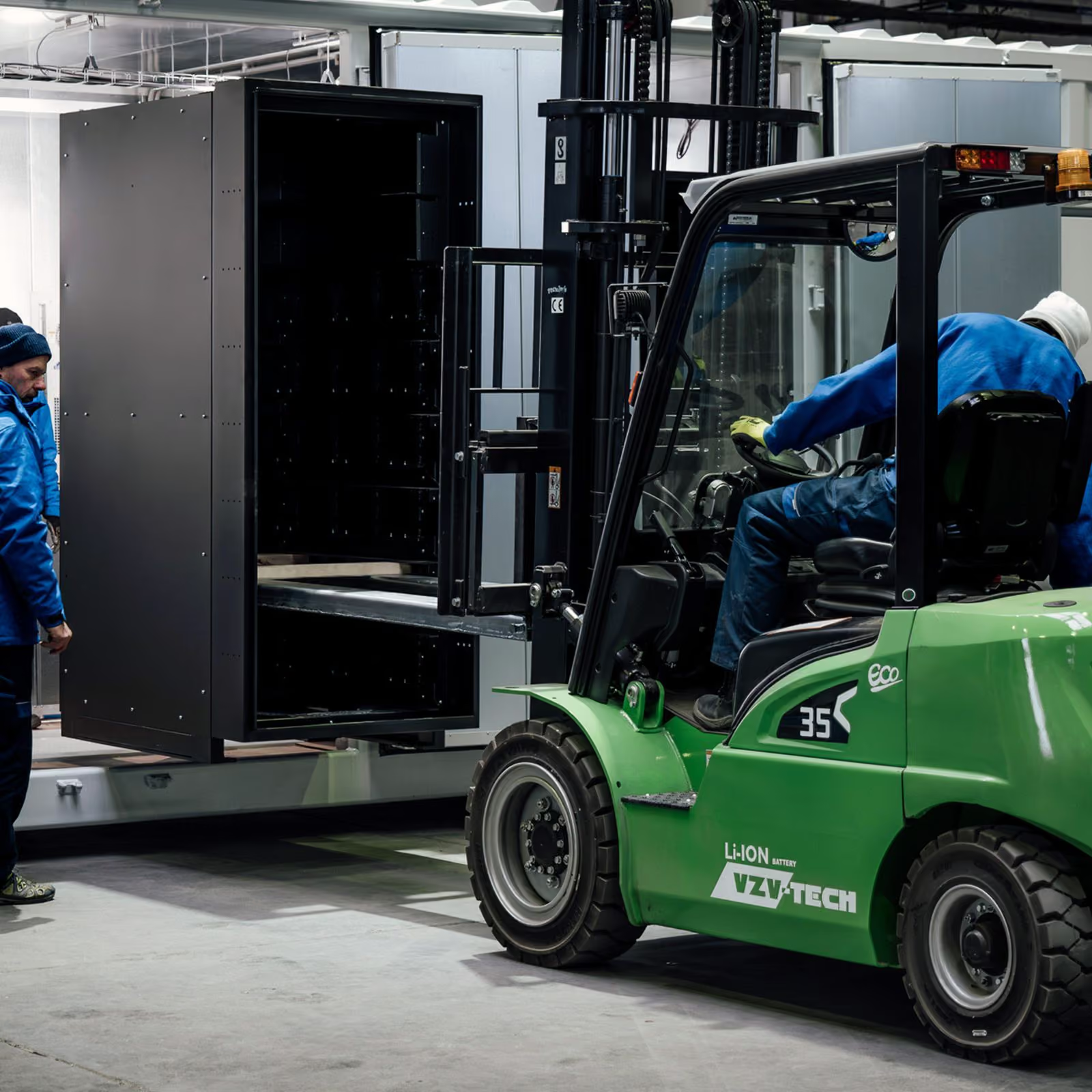
Flexibility and scalability of solutions
We build our battery storage systems on flexibility and scalability. Thanks to their thoughtful design and assembly, they are easily integrated into existing power grids and adapted to your requirements—configured via the PLC in the local controller included with every storage unit.
Every system, regardless of project size, undergoes thorough testing and certification at the end of production. This guarantees quality, safety, and efficient operation throughout the equipment's service life.
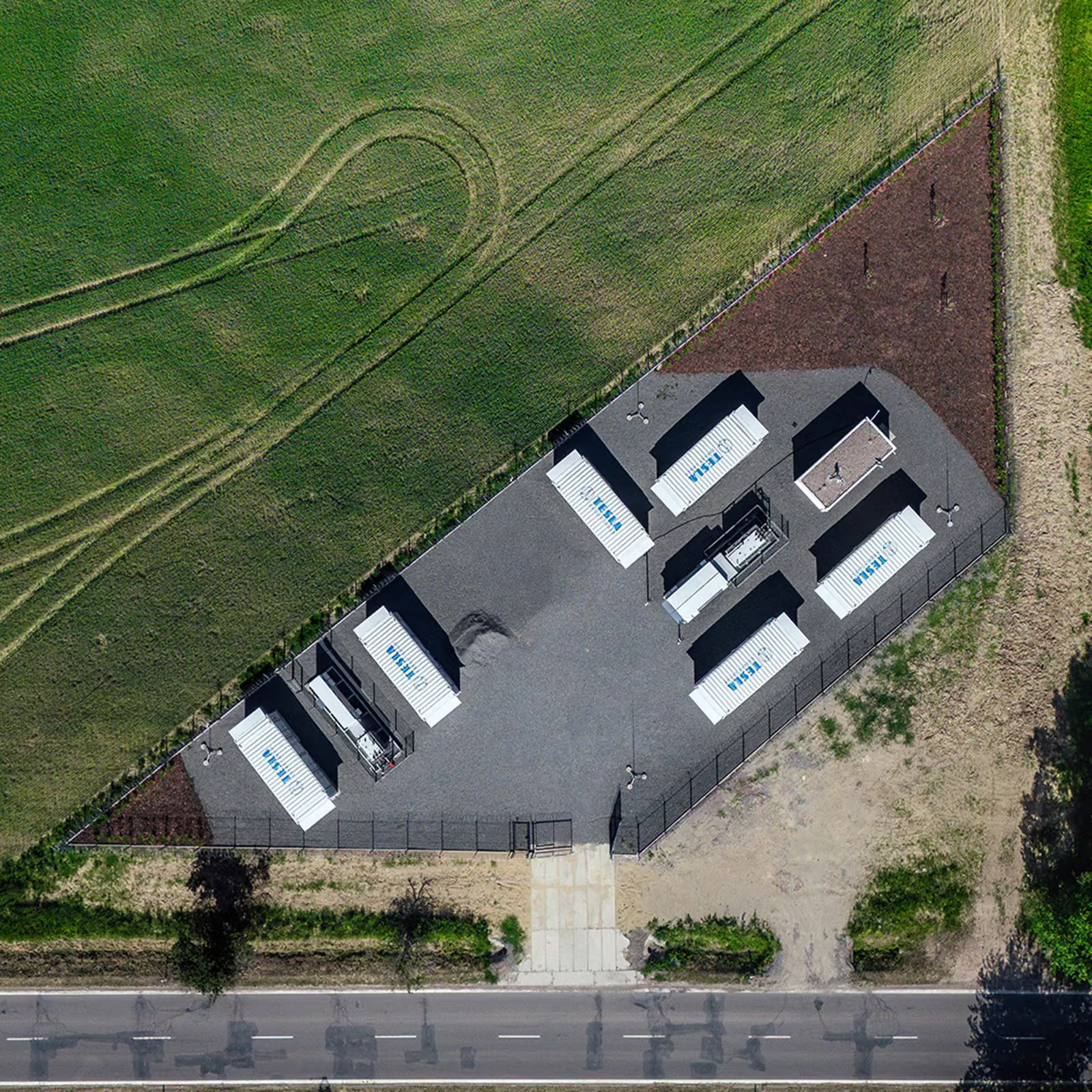
Innovative and integrated production process
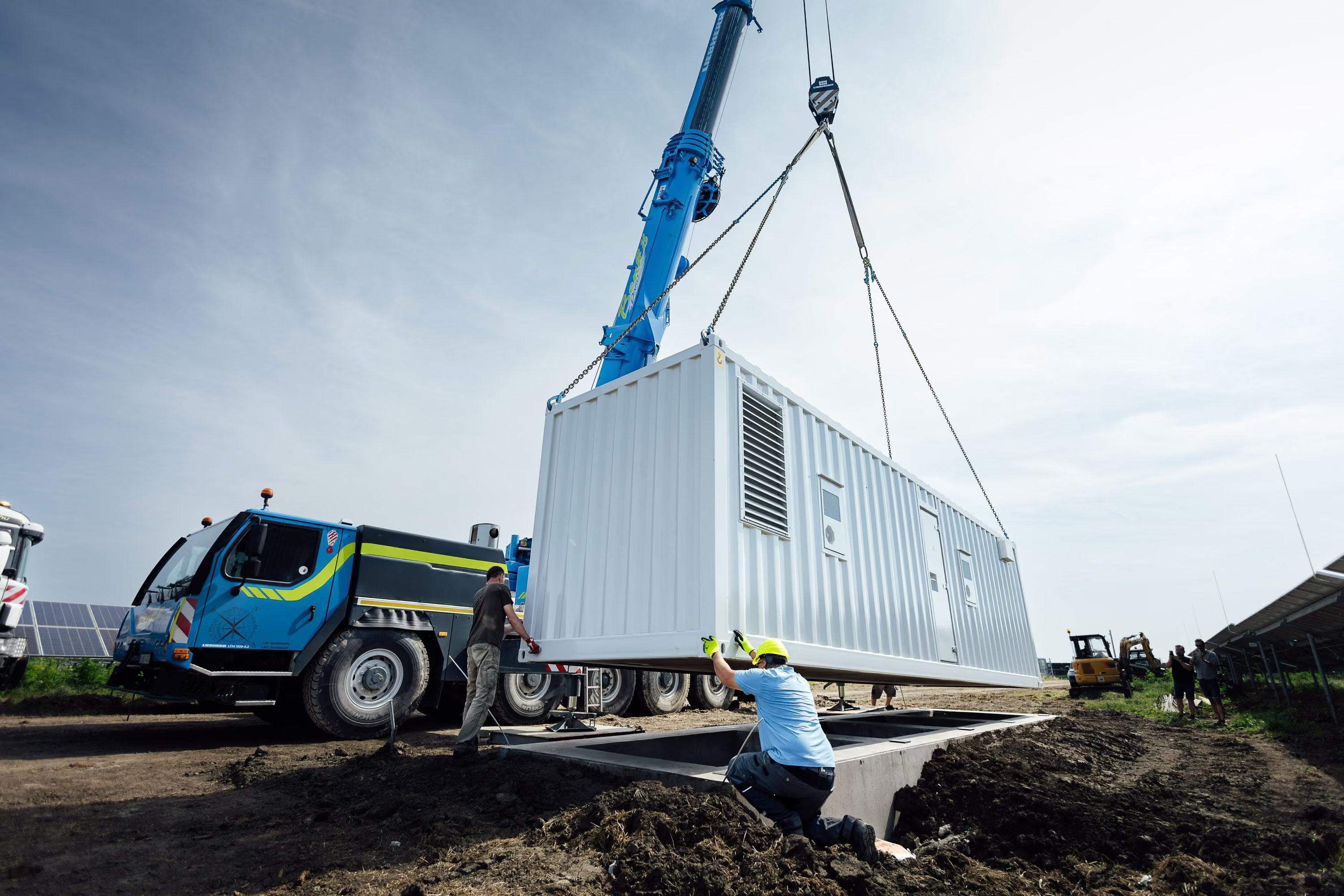
The foundation of every storage unit is a sturdy steel container into which we install all key components. The racks house battery modules, liquid cooling, control units, and monitoring systems. PLC control monitors operations in real time, ensuring optimal performance, safety, and long-term reliability.
Our production workflow is designed so that each stage follows seamlessly from the last—from smaller storage units to large-scale energy storage projects.
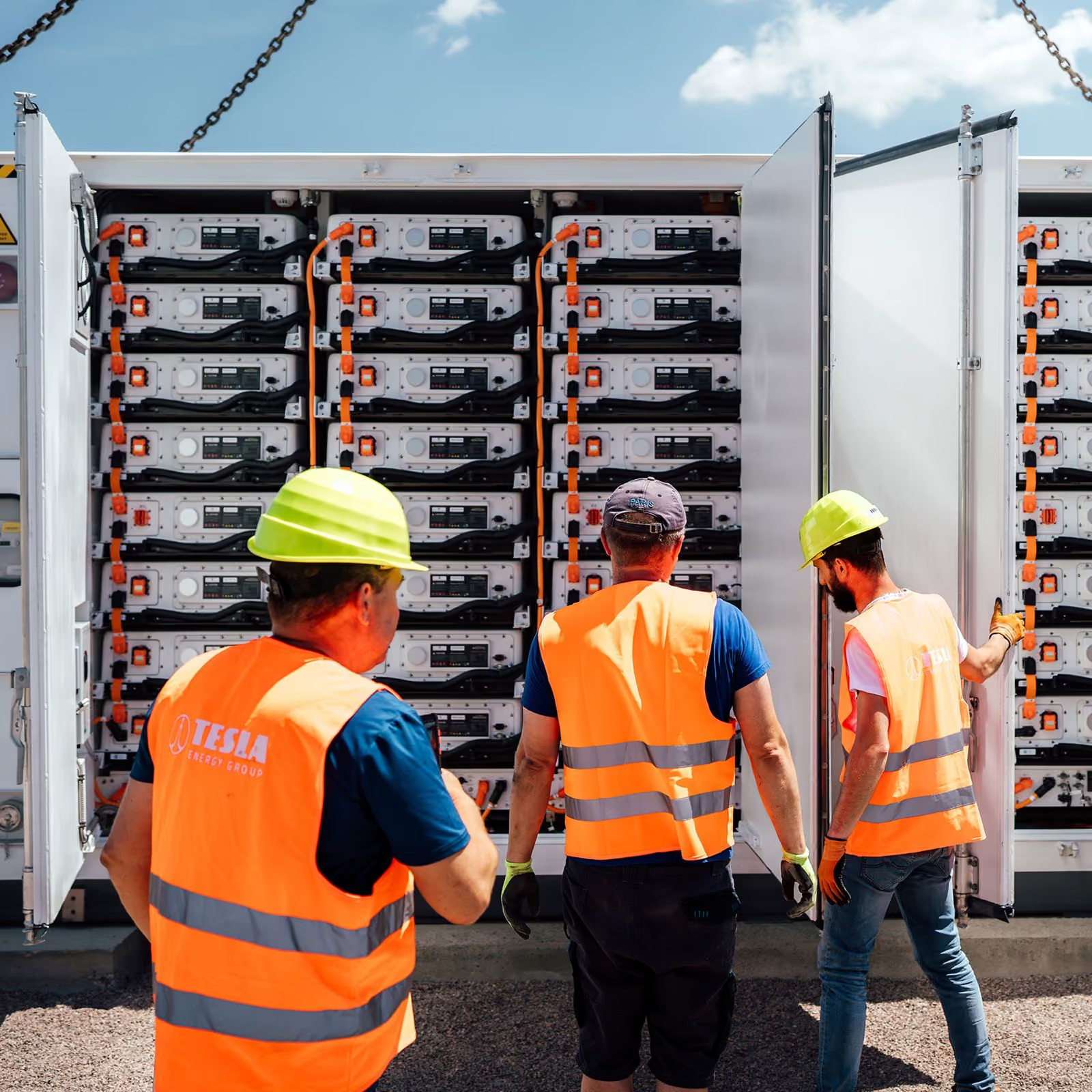
We build on partnerships with leading global component suppliers










Storage that passes every audit
Battery storage is a part of critical infrastructure. We design our solutions to comply with NIS2 and OT security standards—including our own PLC and EMS, which we develop in-house.
Comprehensive Support and Service
We are with you throughout the entire operational lifecycle.
We are part of the European energy sector. In addition to manufacturing in Žilina, we operate distribution networks, invest in renewable energy sources, and implement energy management systems. All with a single goal: energy independence for our customers and modern infrastructure across Europe.
Frequently Asked Questions
Answers to the most frequently asked questions about production and BESS.
Yes. Most modern systems are modular and scalable – additional battery modules can be added as needed to increase both capacity and power. An expansion requires expert consultation and adapting the system to the new conditions.
The main benefits include:
- Cost optimisation – stored energy is used during peak hours, when electricity prices are high.
- Backup power – reliable backup during grid outages ensures business continuity.
- Grid load balancing – the system balances mismatches between generation and consumption and prevents overloads.
- Support for renewables – stores surplus energy and makes it available when the sources are not producing.
Service life depends on battery quality, intensity of use and maintenance. With proper operation, standard lithium-ion batteries typically last 10 to 15 years. Thanks to advanced energy management, service life can be even longer, without significant loss of capacity.
A BESS (Battery Energy Storage System) is a technology for storing electrical energy in batteries, enabling flexible and efficient use of energy according to current needs. These systems help stabilise the power grid, reduce dependence on volatile electricity prices and increase energy independence by making efficient use of energy from renewable sources such as solar and wind.
A BESS can be connected to the grid as part of a site's energy management, or operate as a standalone system with island-mode capability. Installation requires space for the battery modules, suitable climatic conditions and professional assembly. Correctly sizing the system to the site's needs is also essential.
Modern BESS are equipped with advanced safety mechanisms:
- Thermal management – keeps the batteries within the optimal temperature range.
- Overload and short-circuit protection – prevents damage to the system and reduces the risk of fire.
- Early warning system – monitors the condition of the cells and flags any anomalies.