Project background
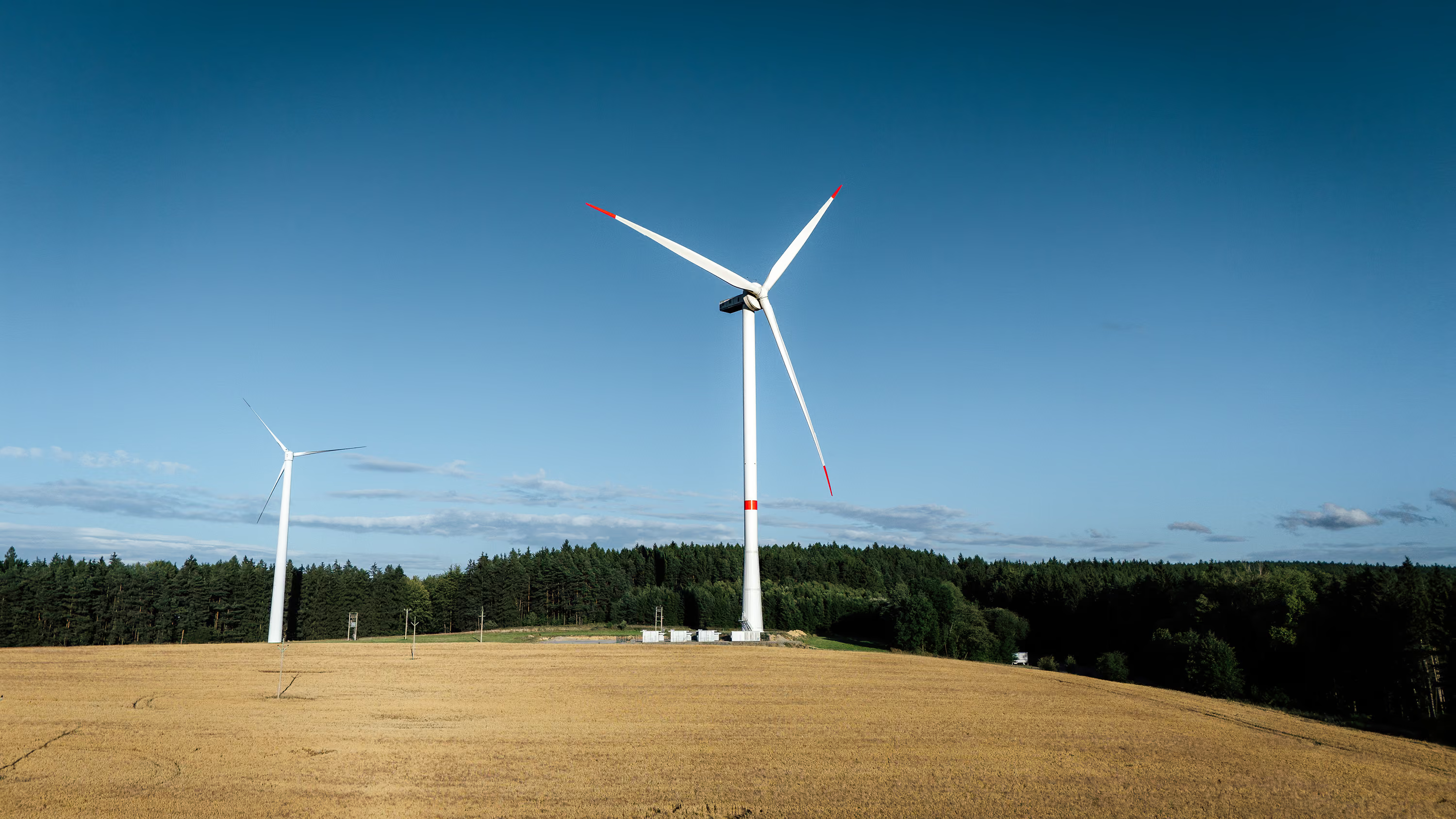
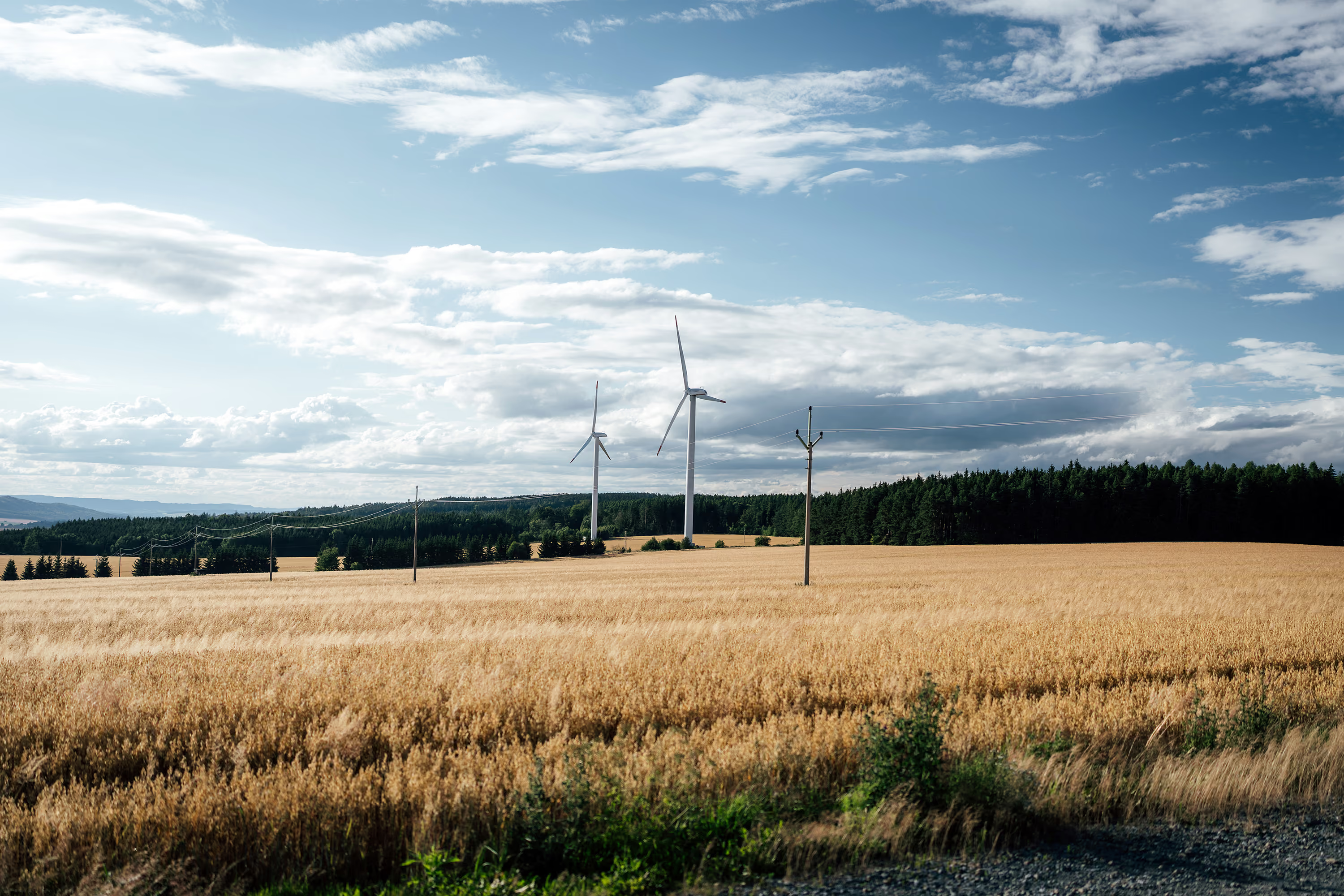
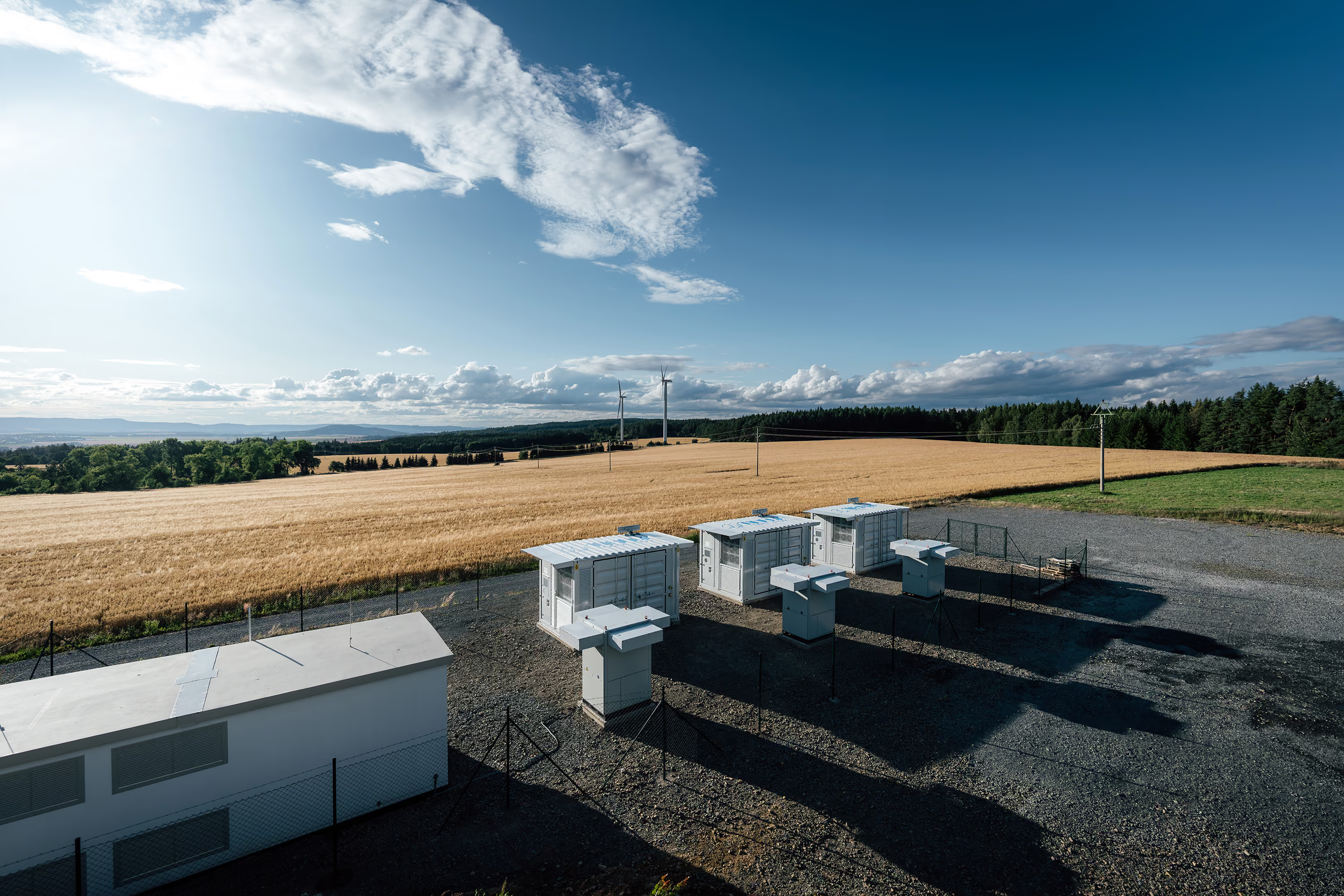
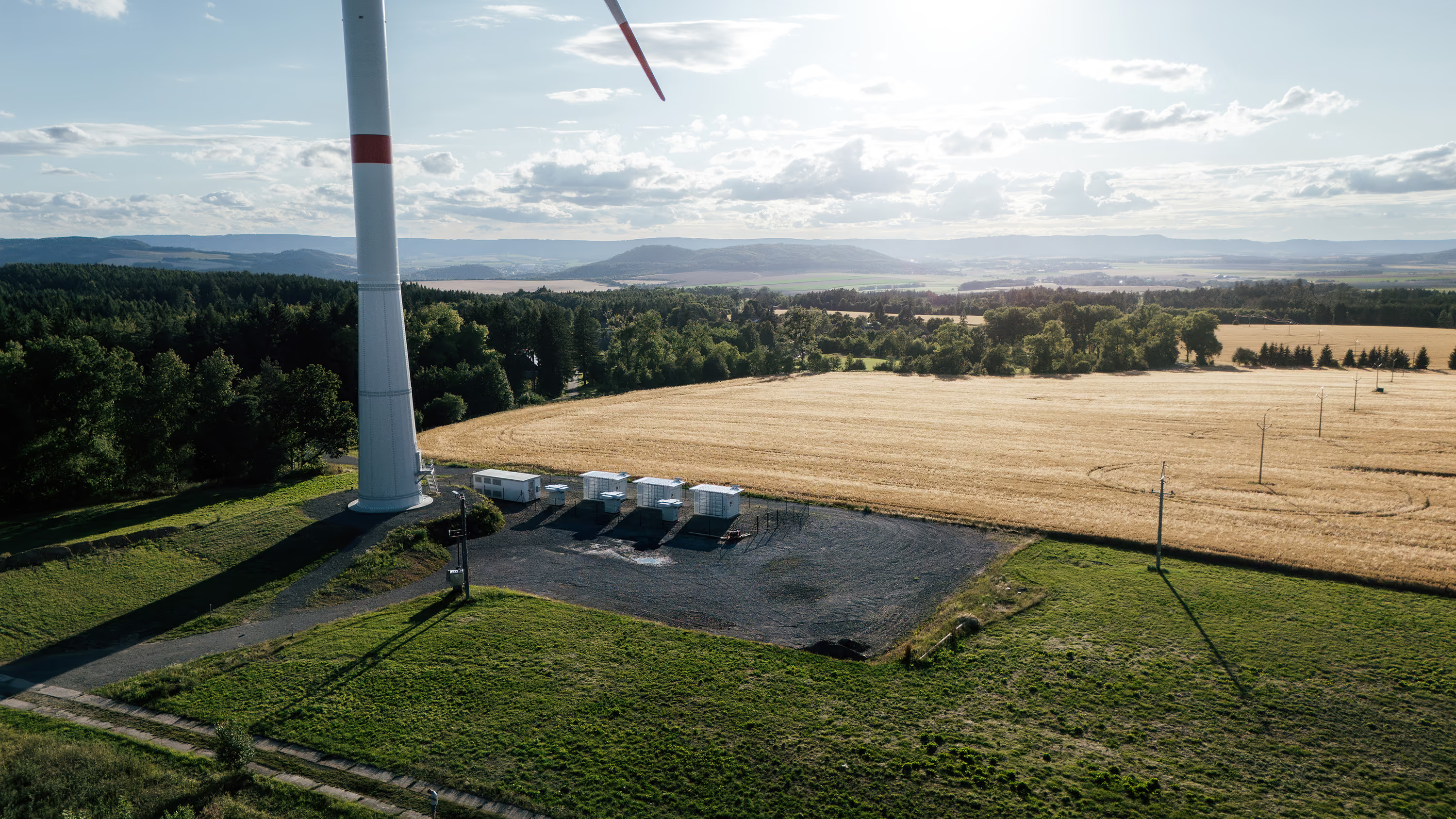
What makes the Žipotín project unique above all is the combination of several different energy technologies within a single energy system.
The system consists of:
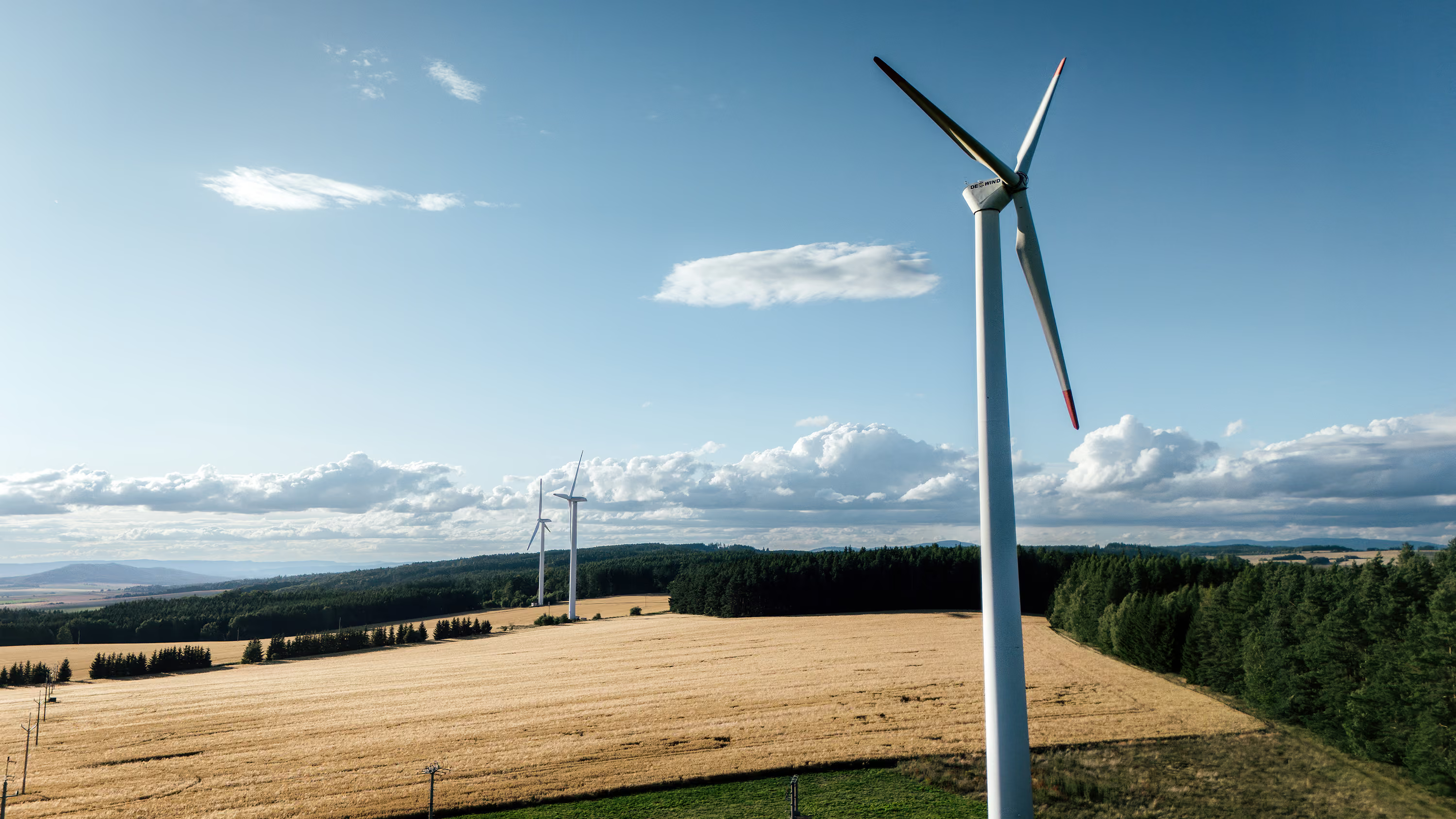
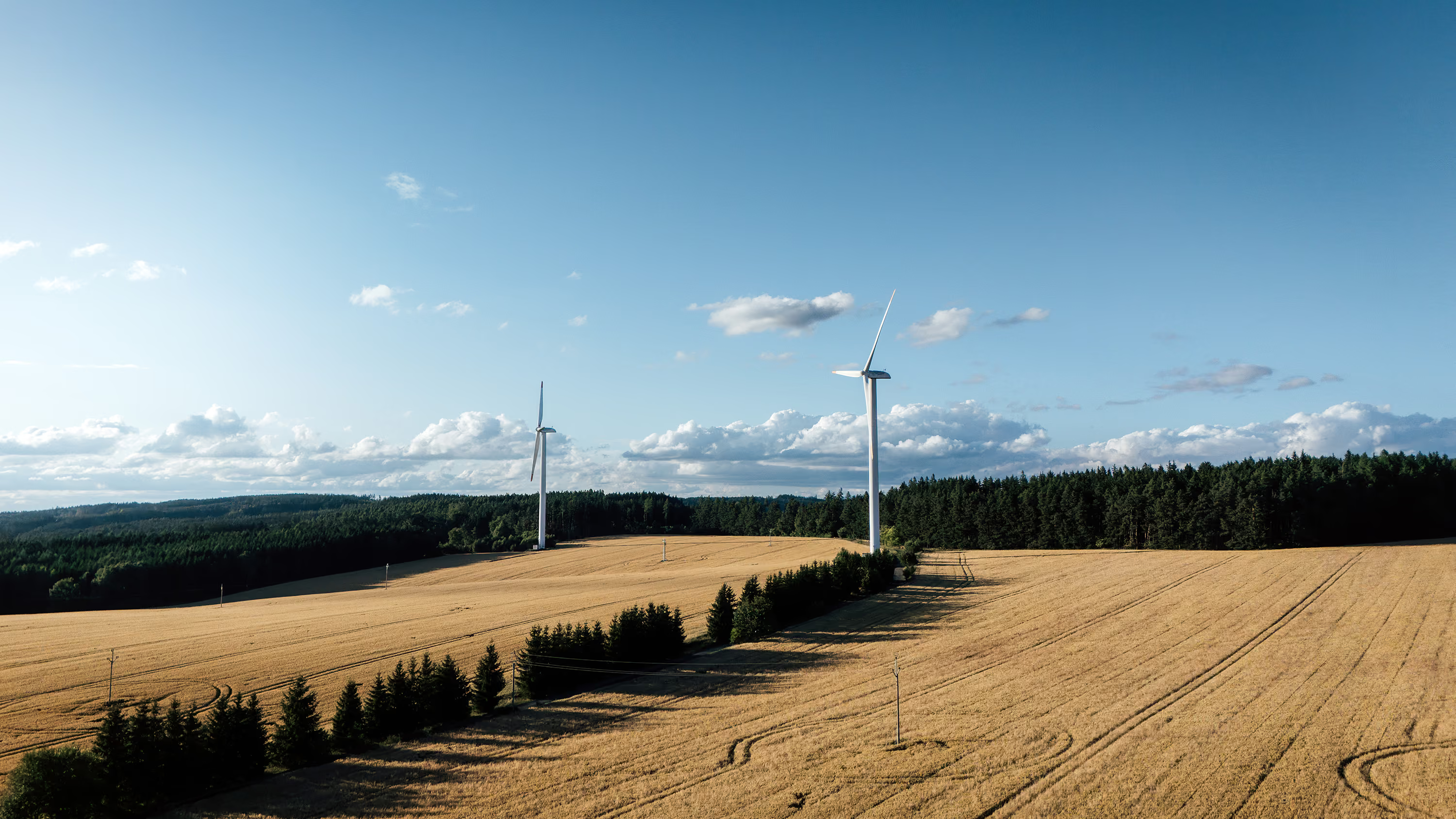
- an ENERCON wind turbine rated at 4.26 MW,
- the Rozstání photovoltaic plant rated at 2 MW,
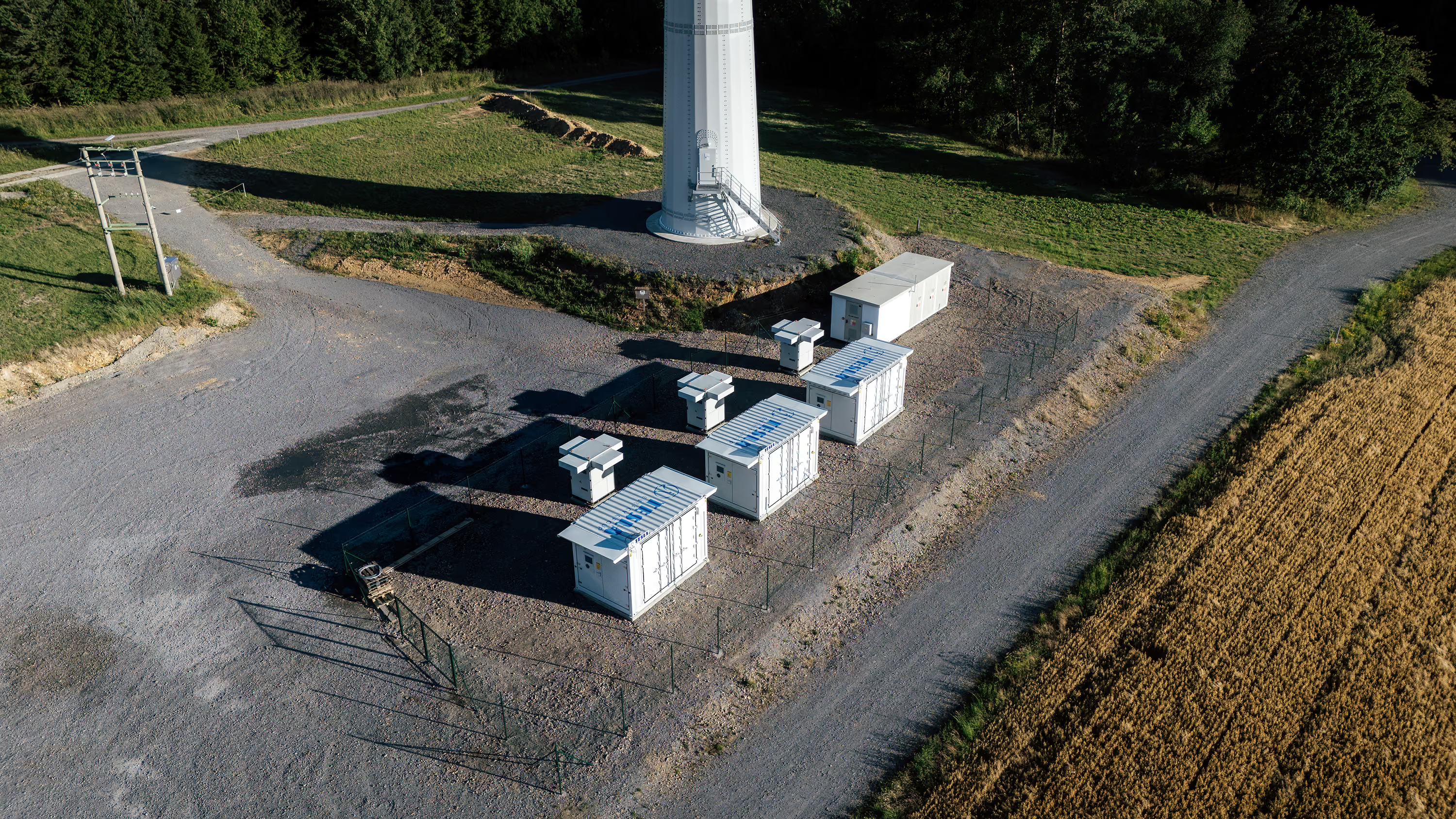
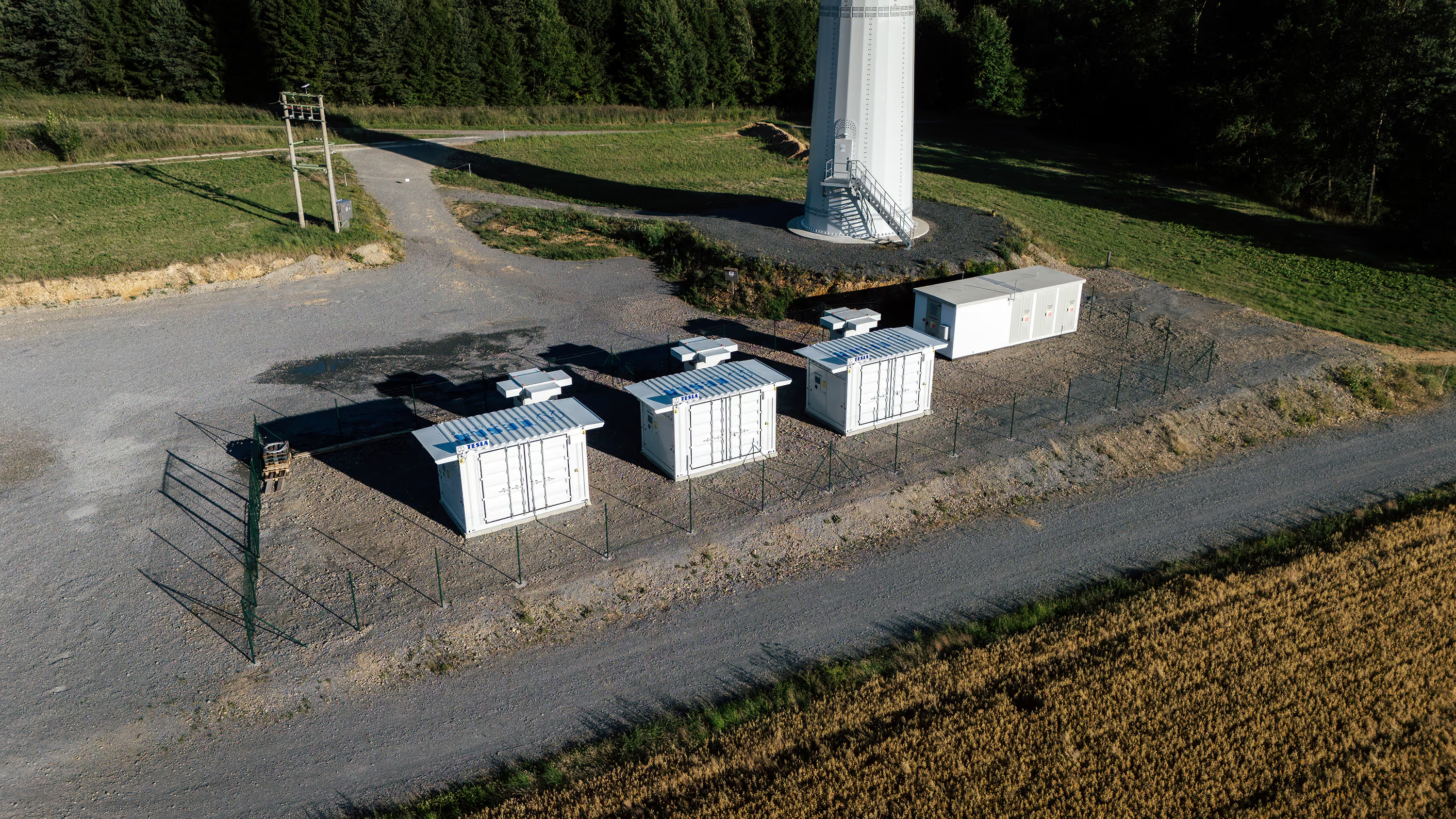
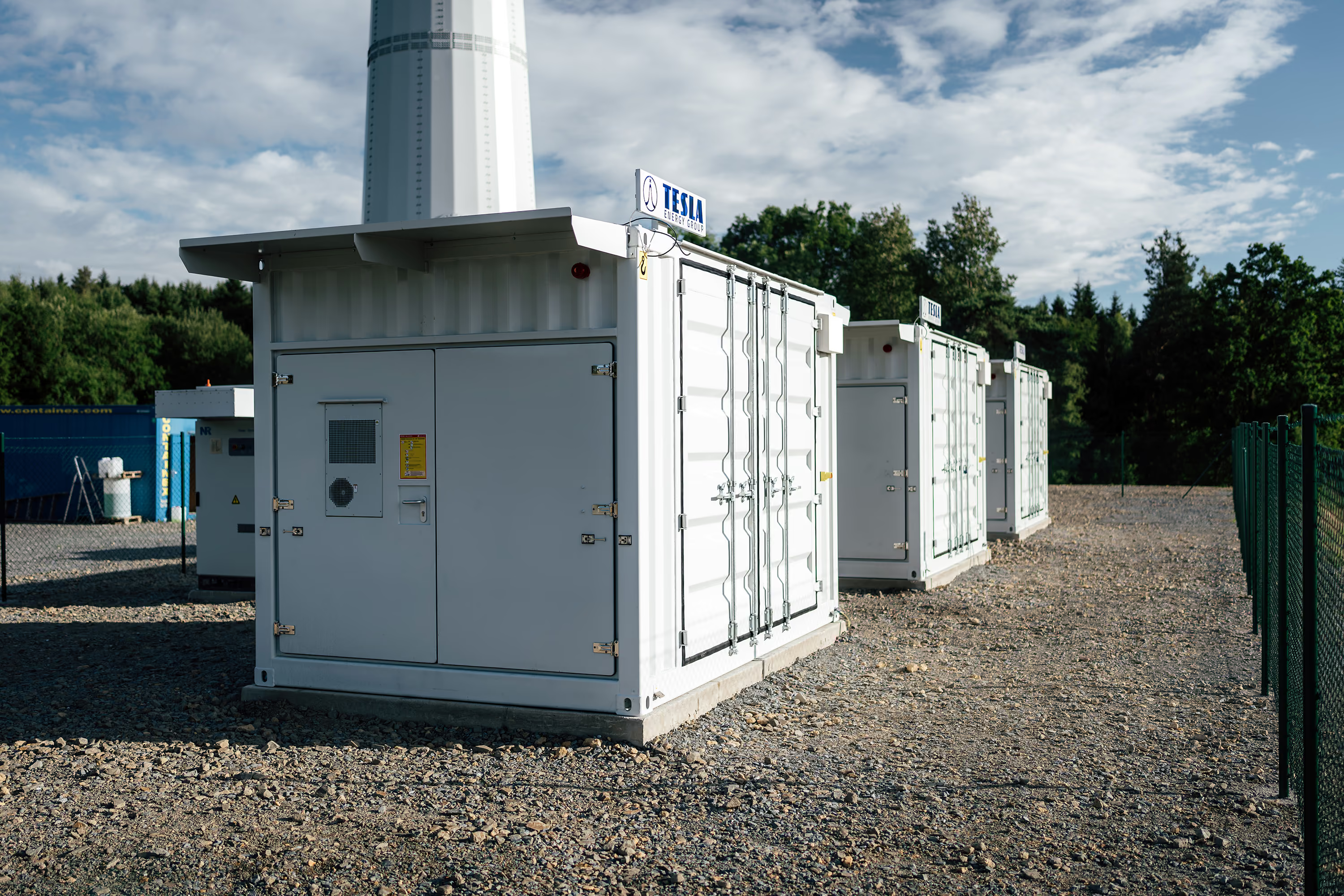
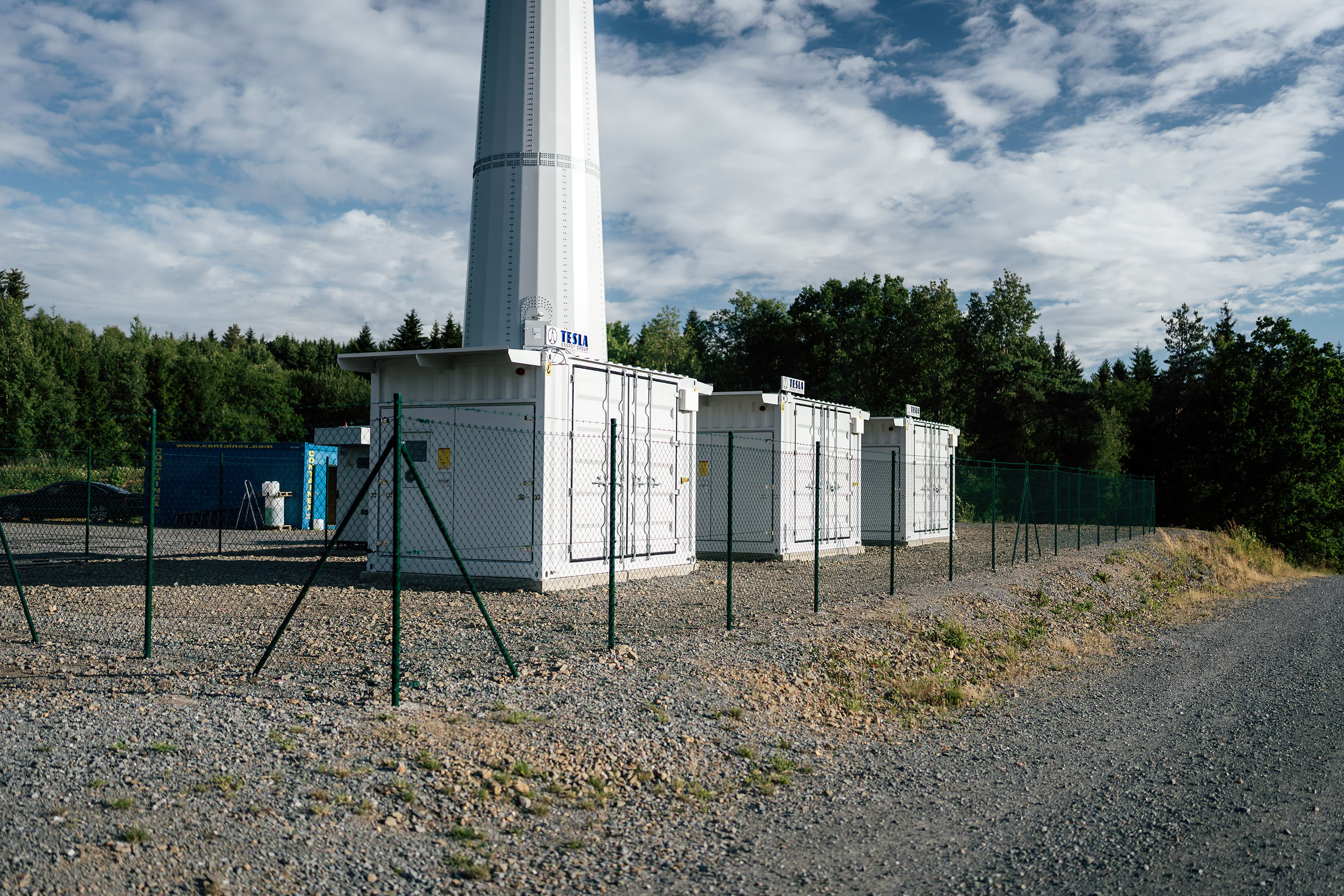
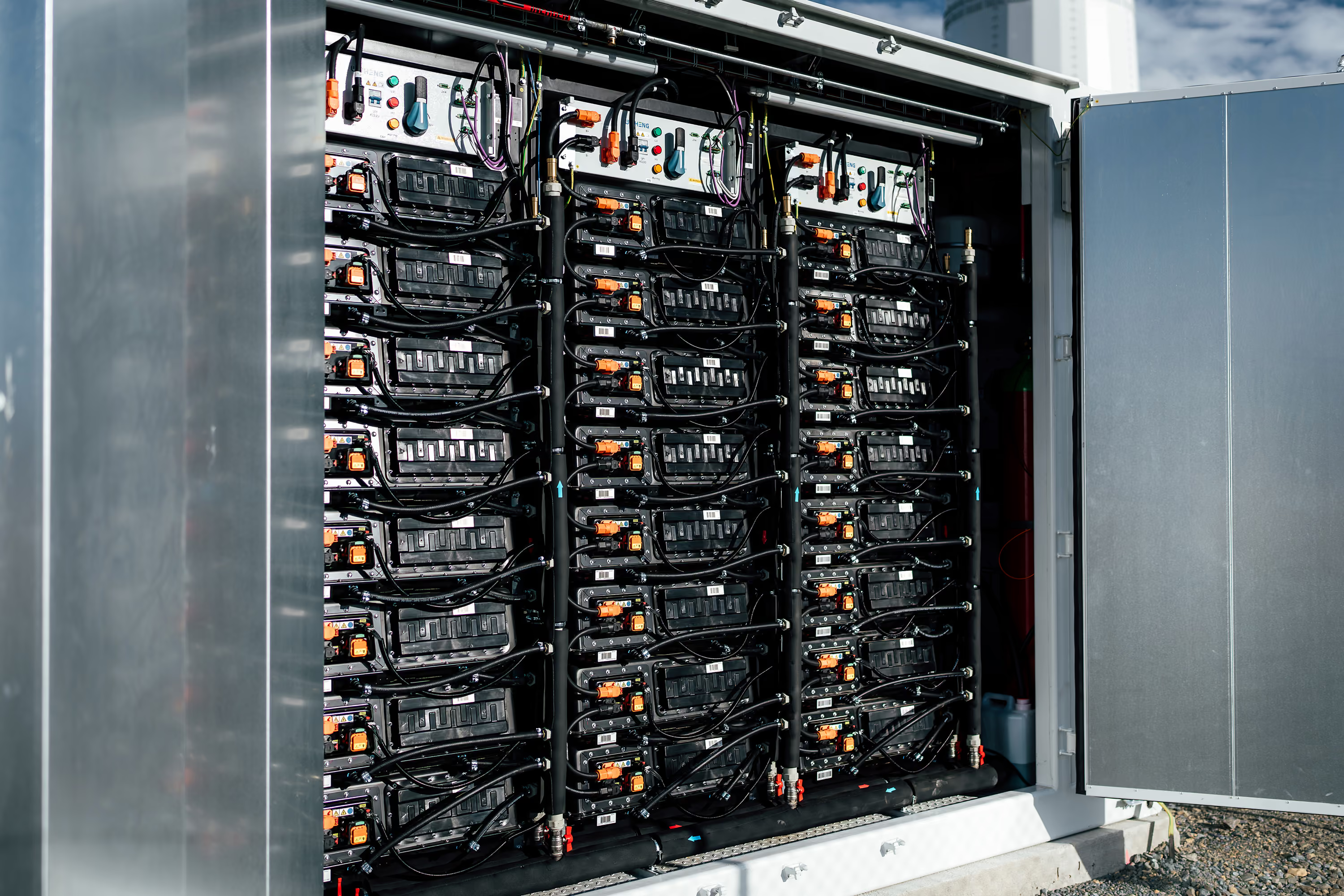
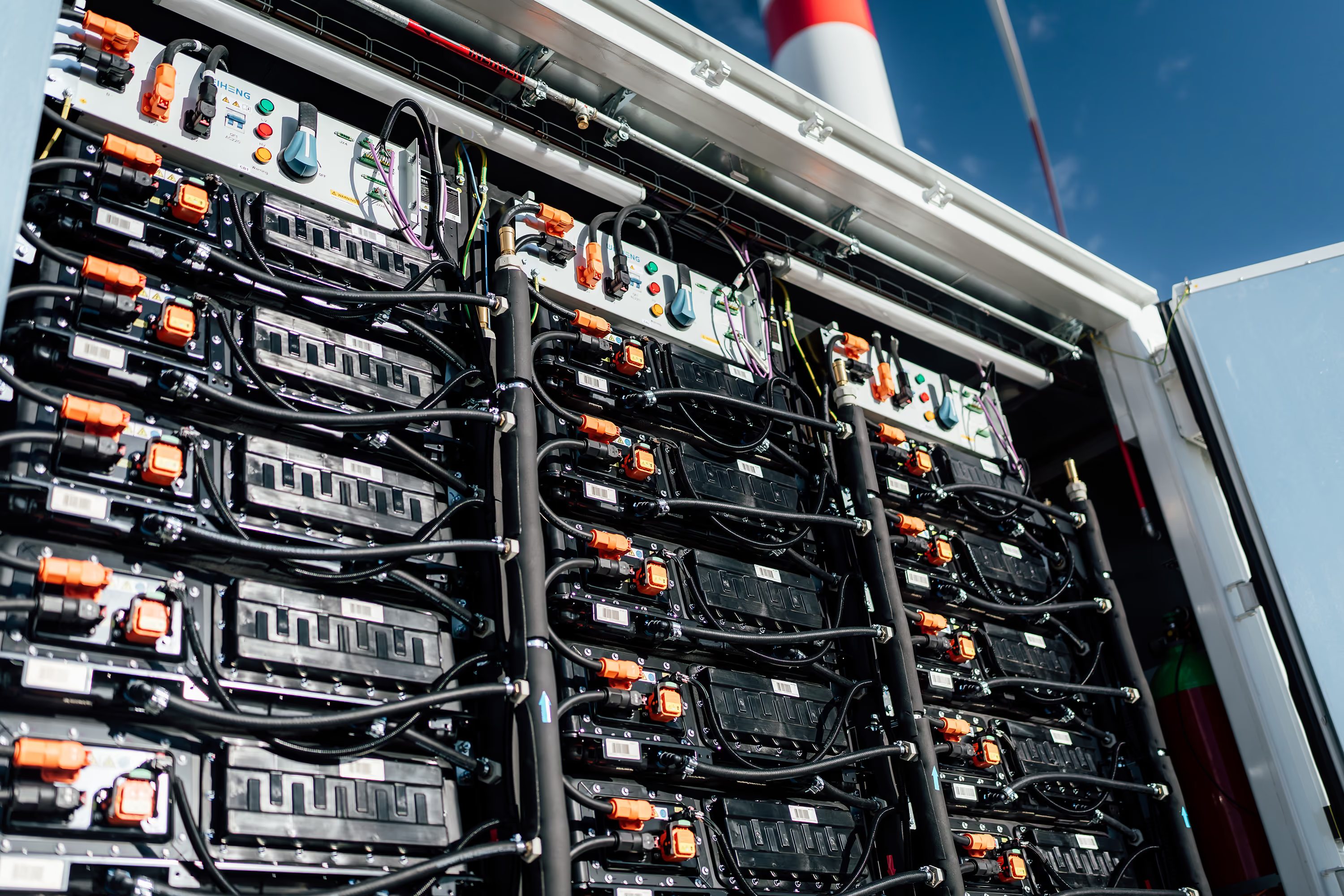
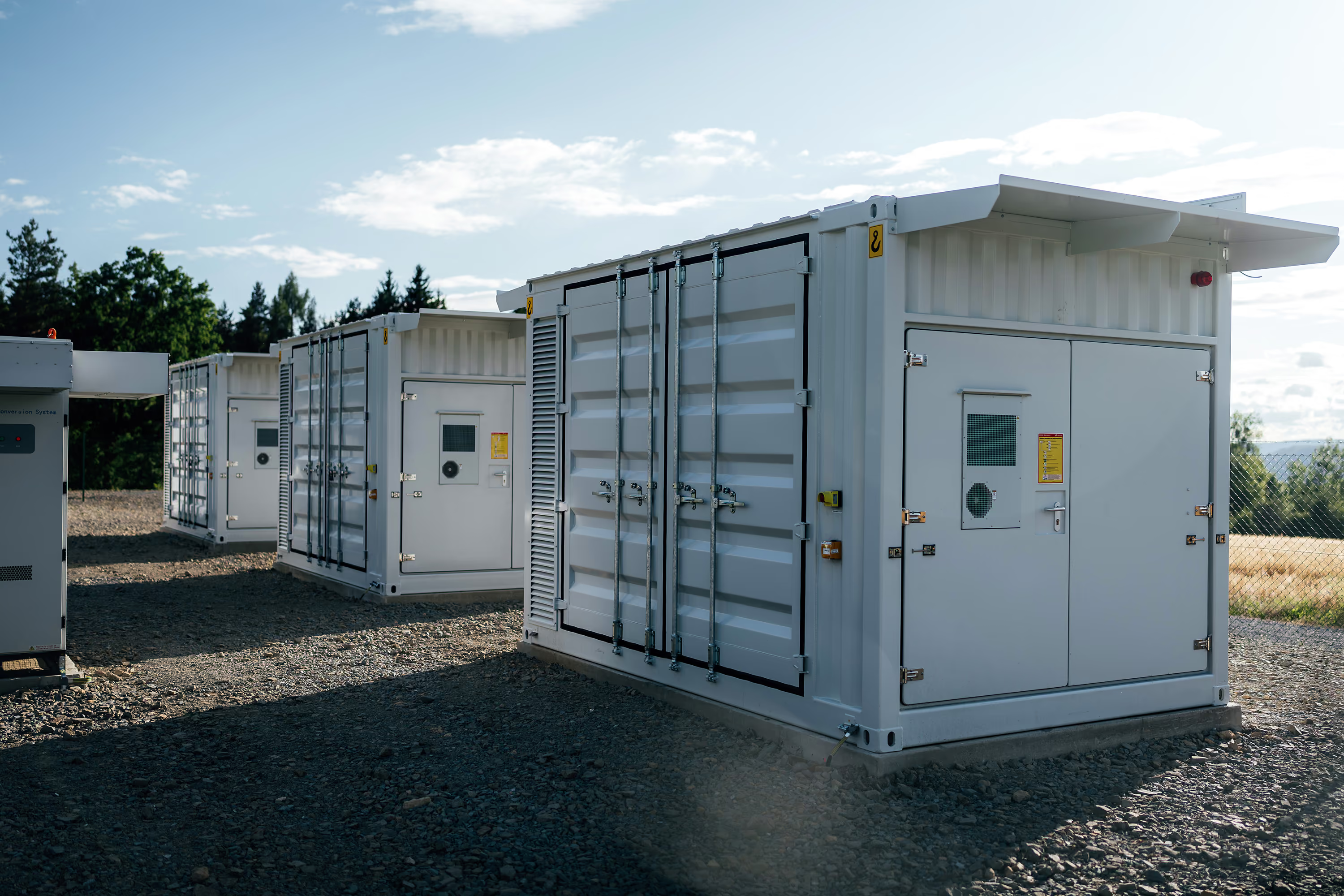
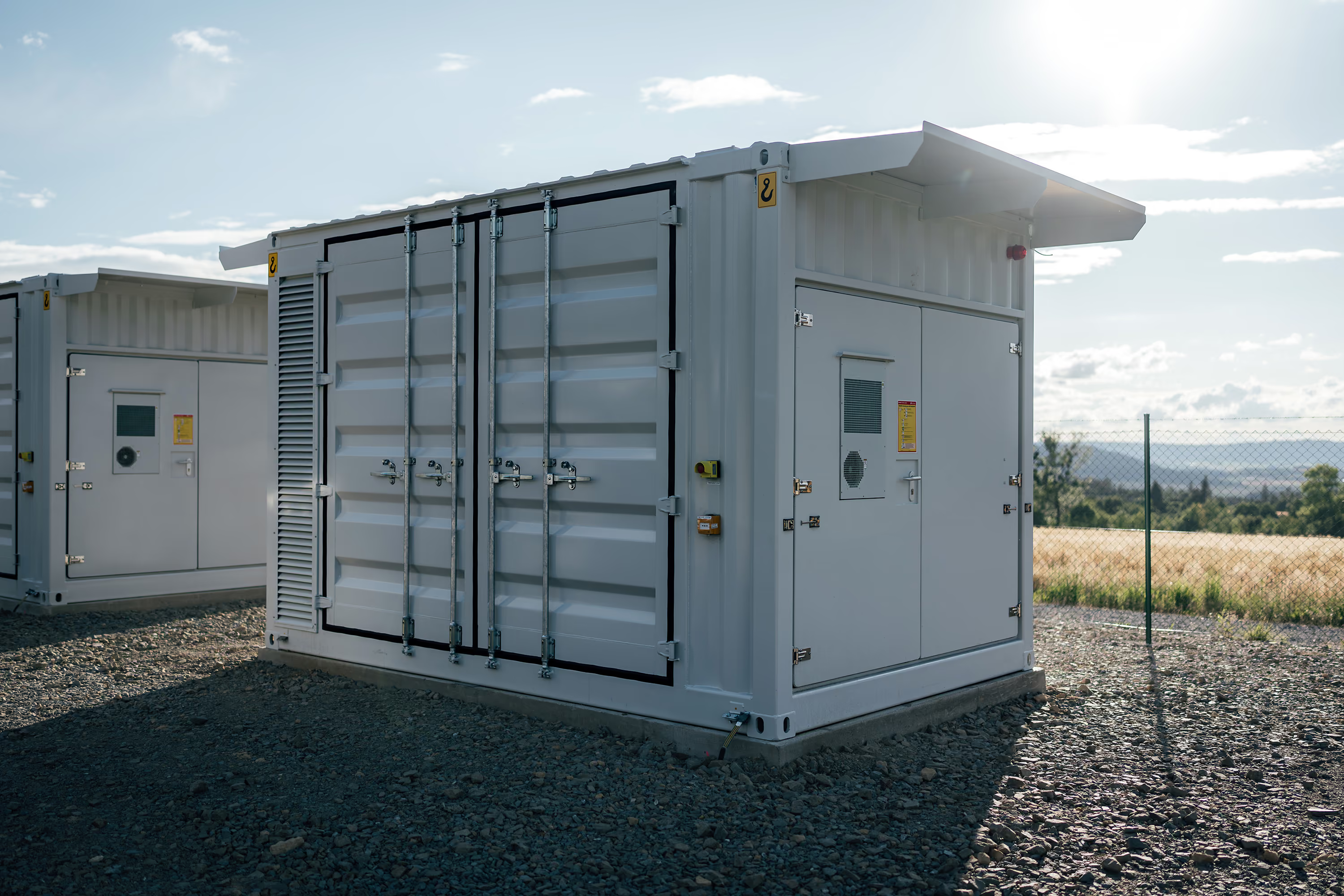
- three battery storage systems with 3× 1 MW of power and 3× 2.236 MWh of capacity.
In total, the system combines 6.26 MW of renewables with battery storage offering 3 MW of power and 6.708 MWh of capacity.
The battery storage systems complement variable wind and solar generation with fast, controllable storage, creating scope for optimising generation, storing energy and providing flexibility.
Technical solution
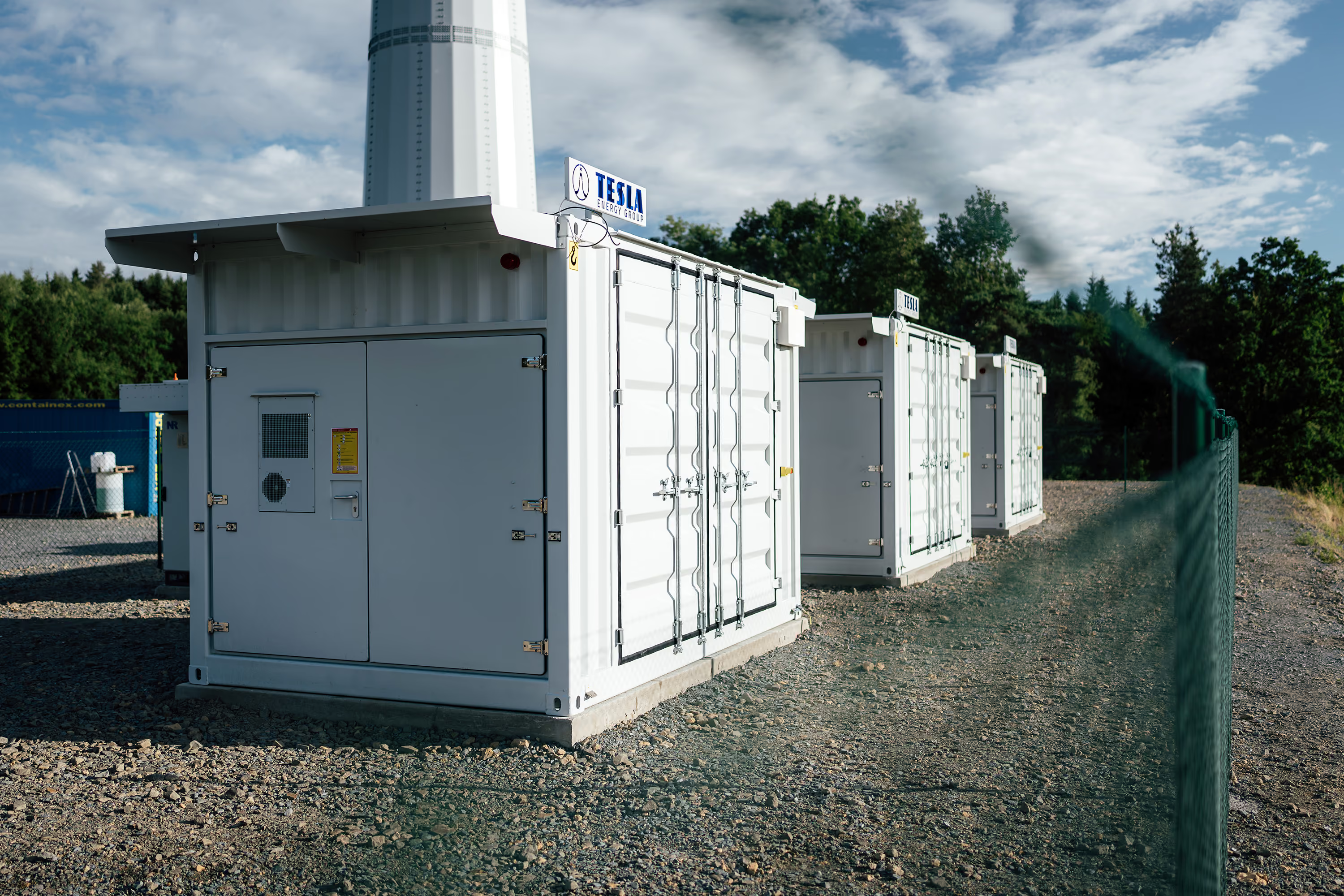
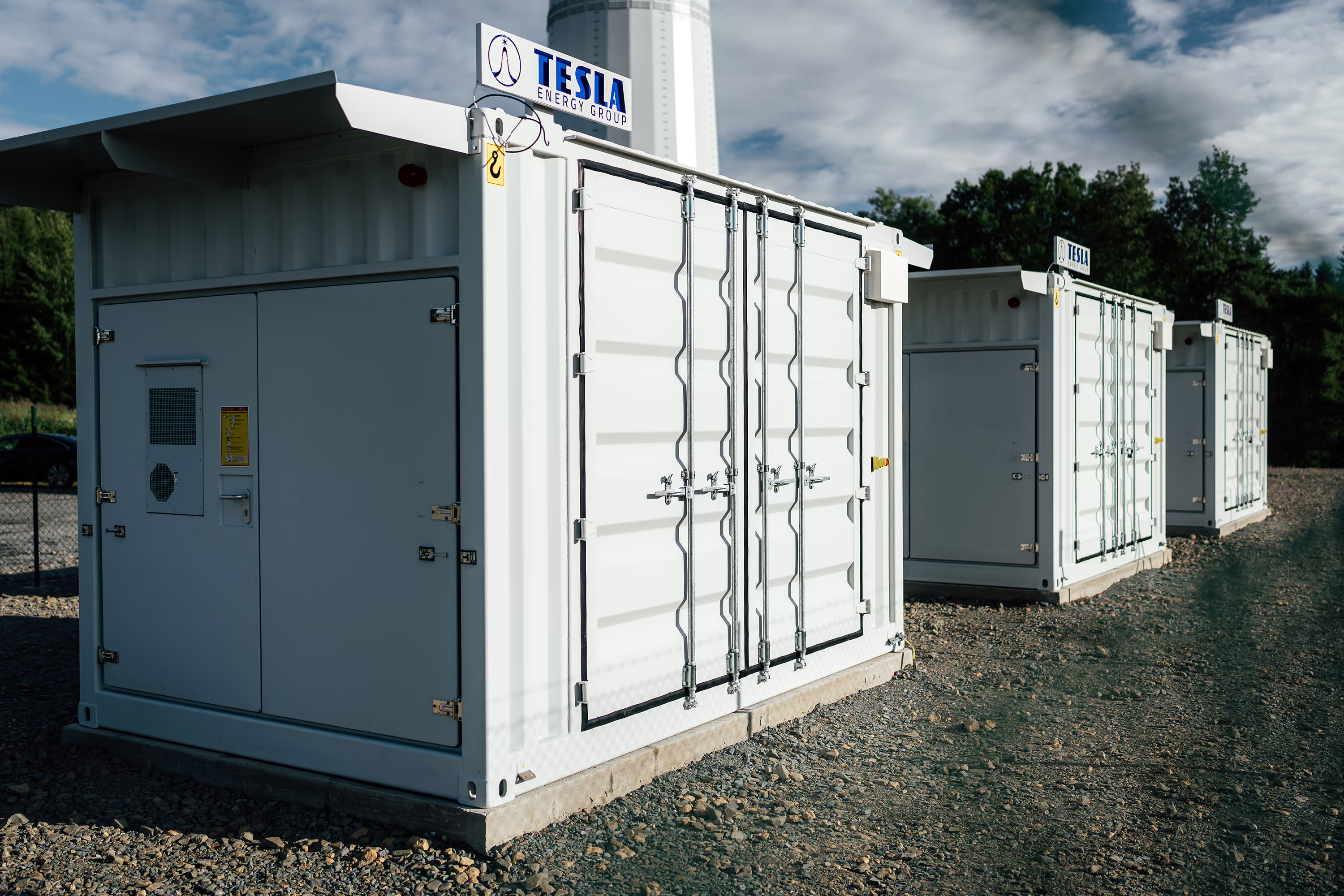
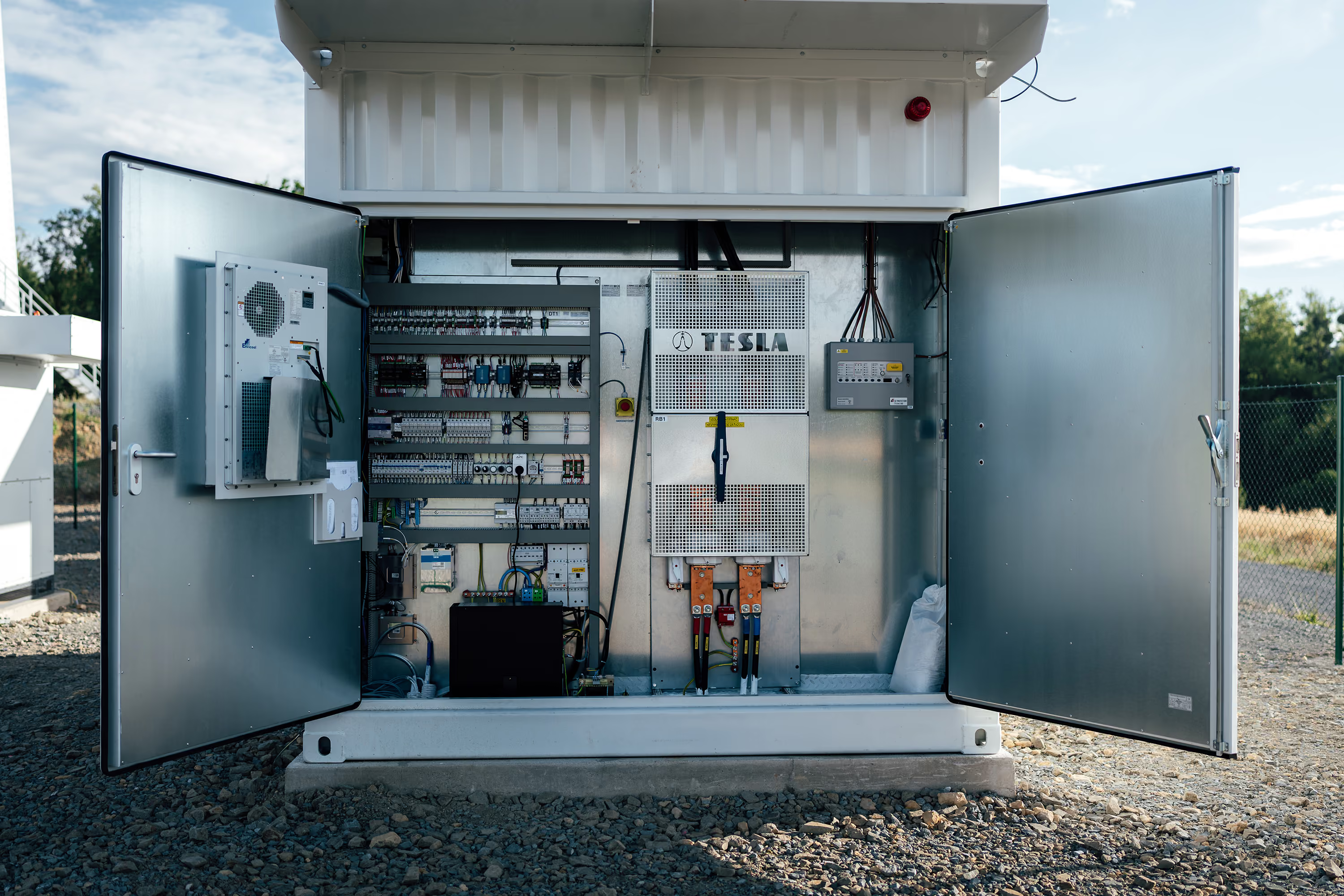
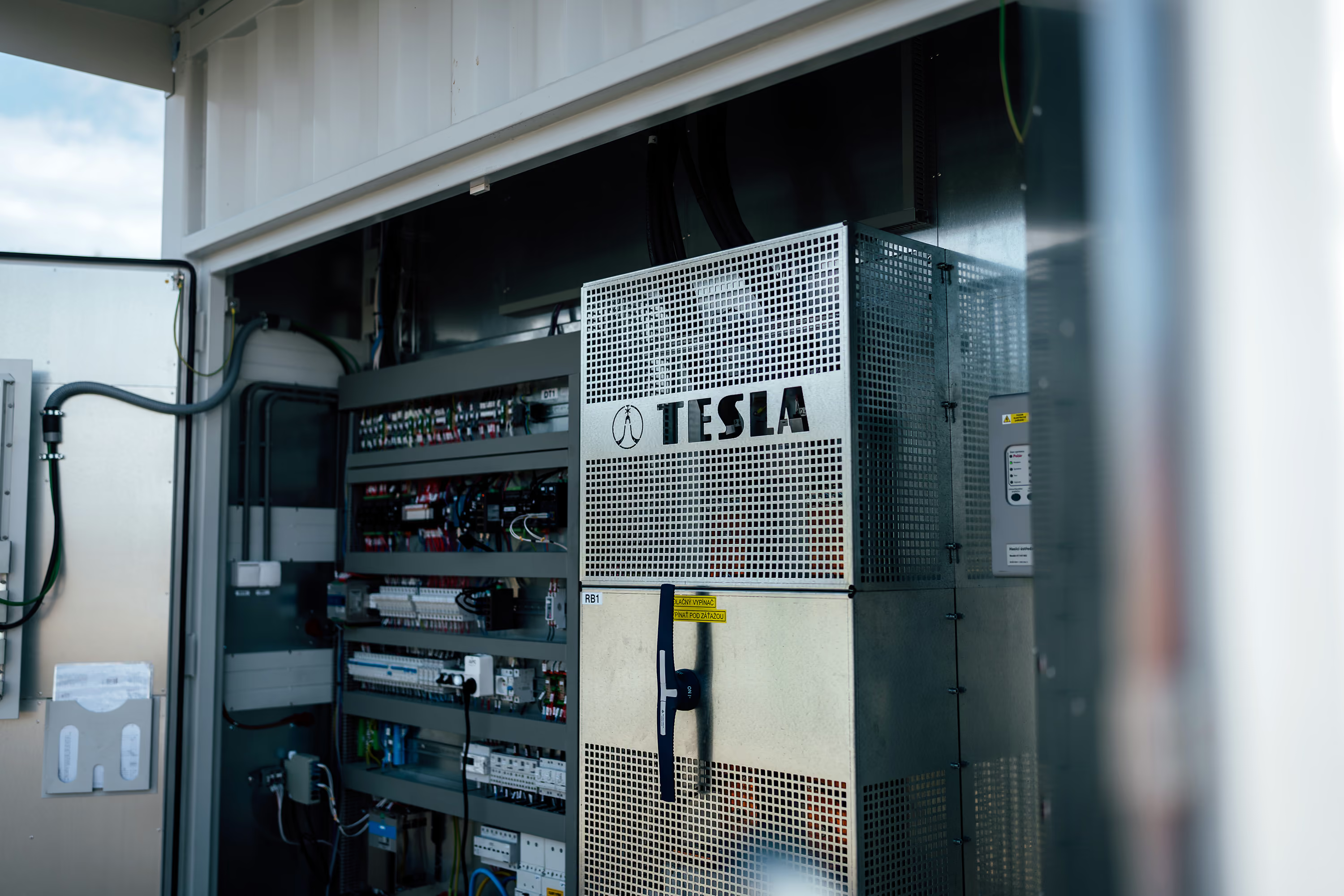
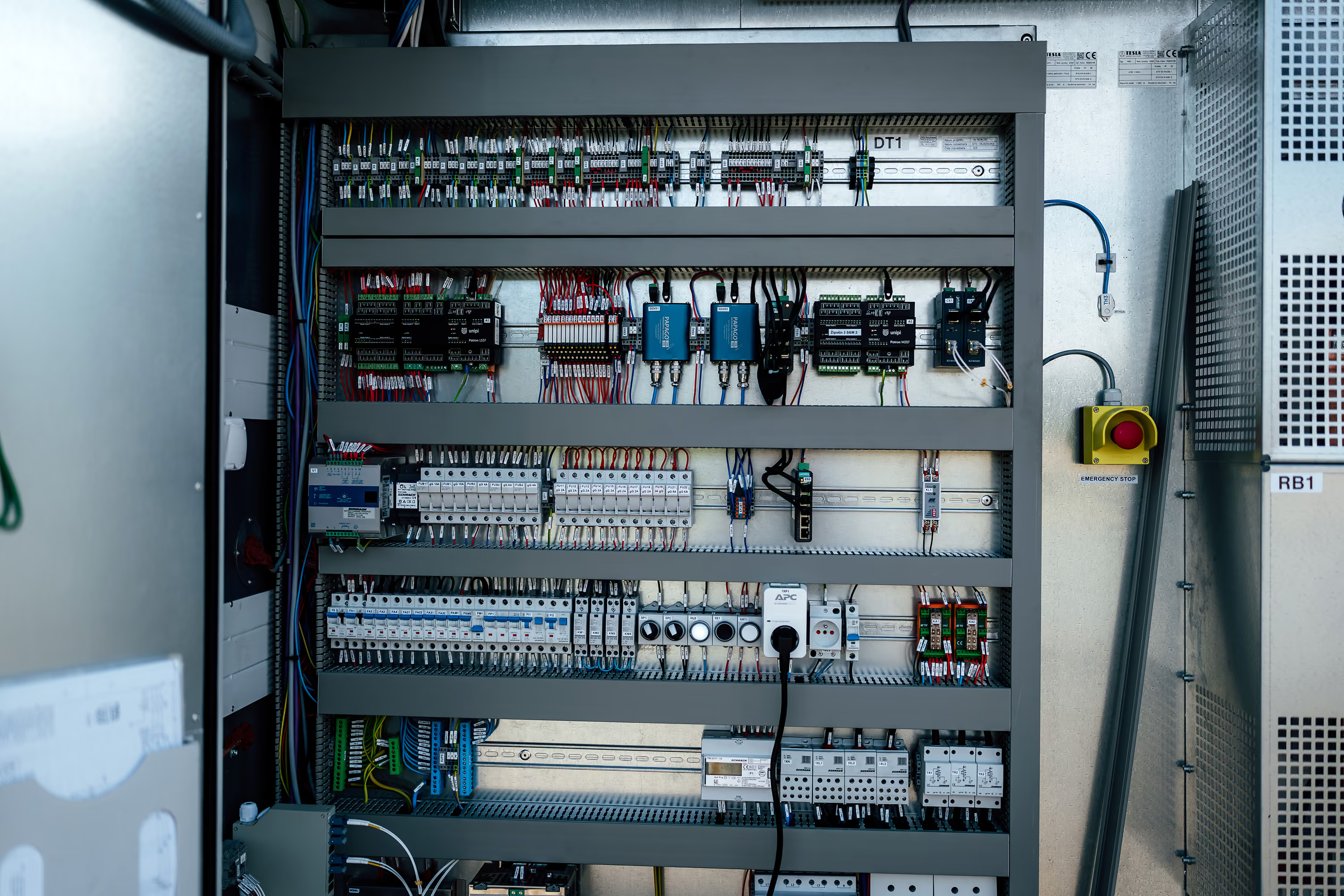
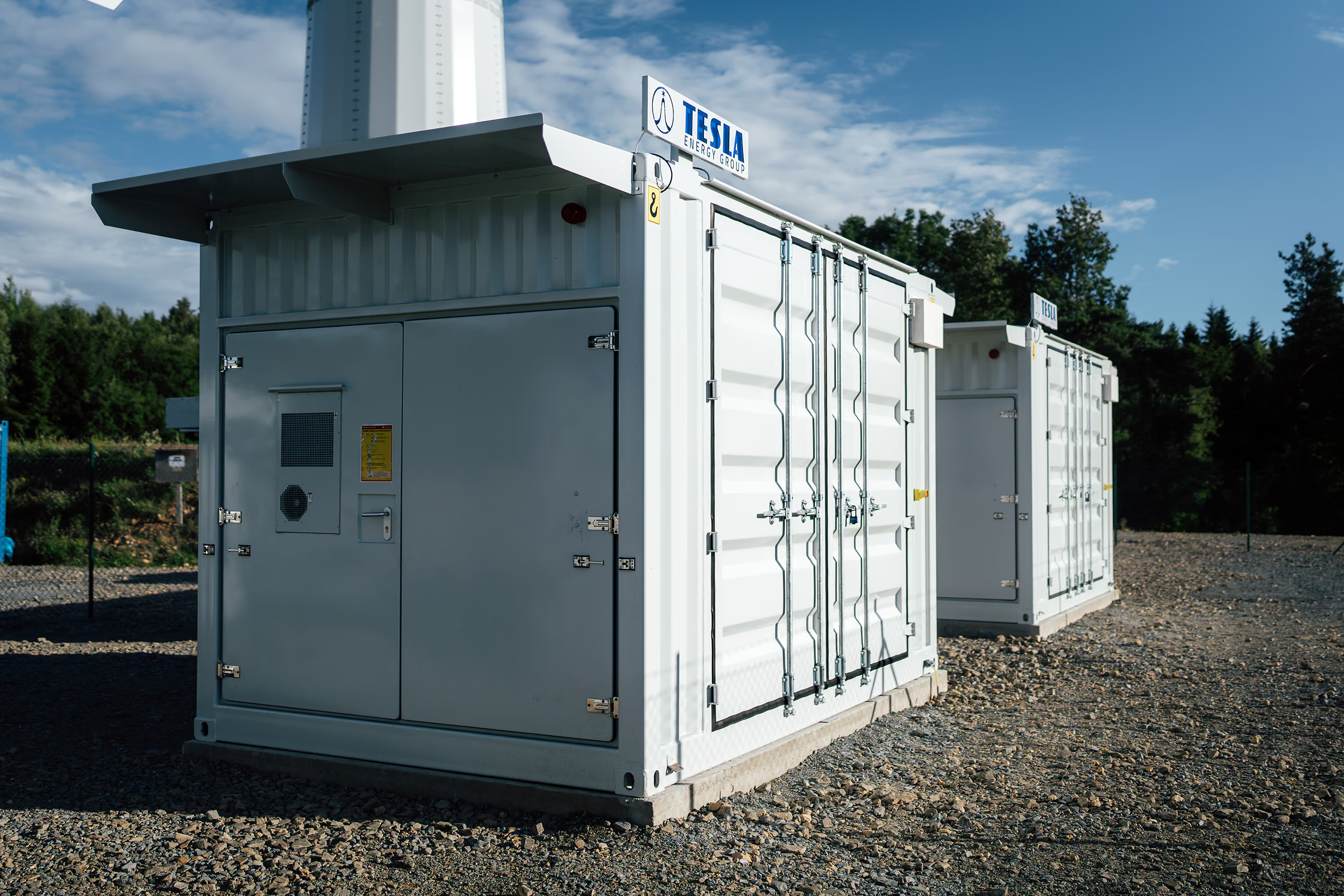
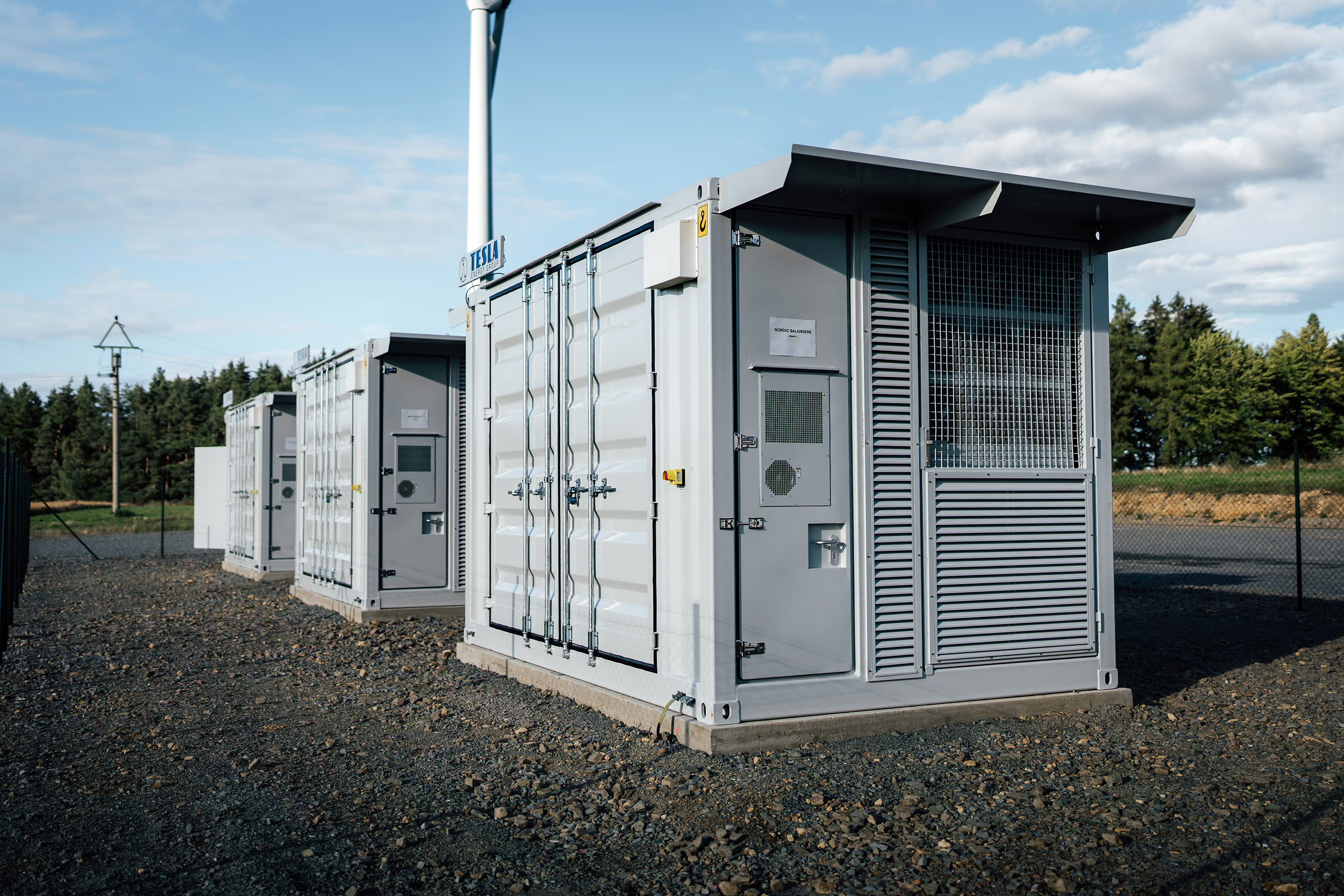
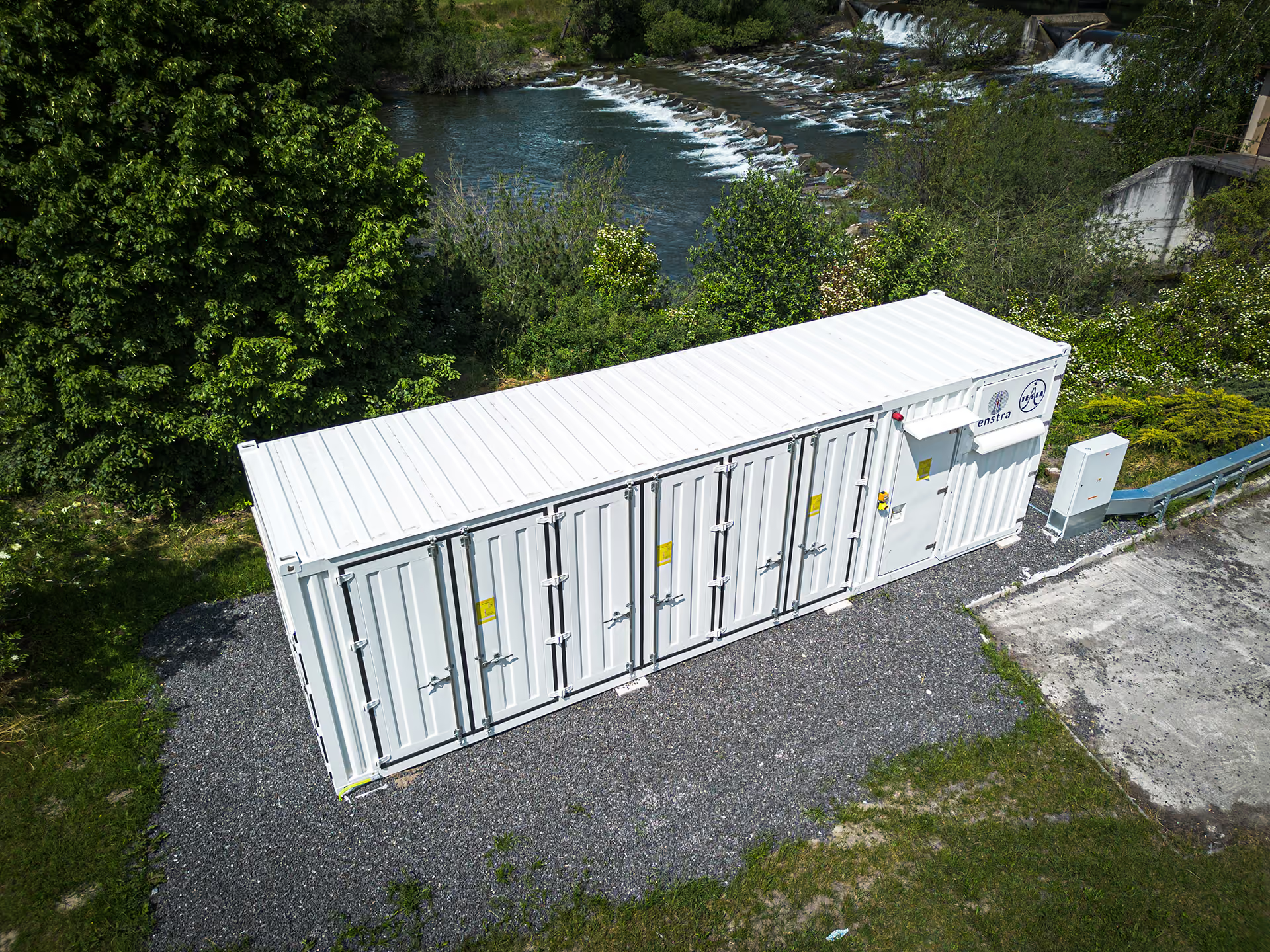
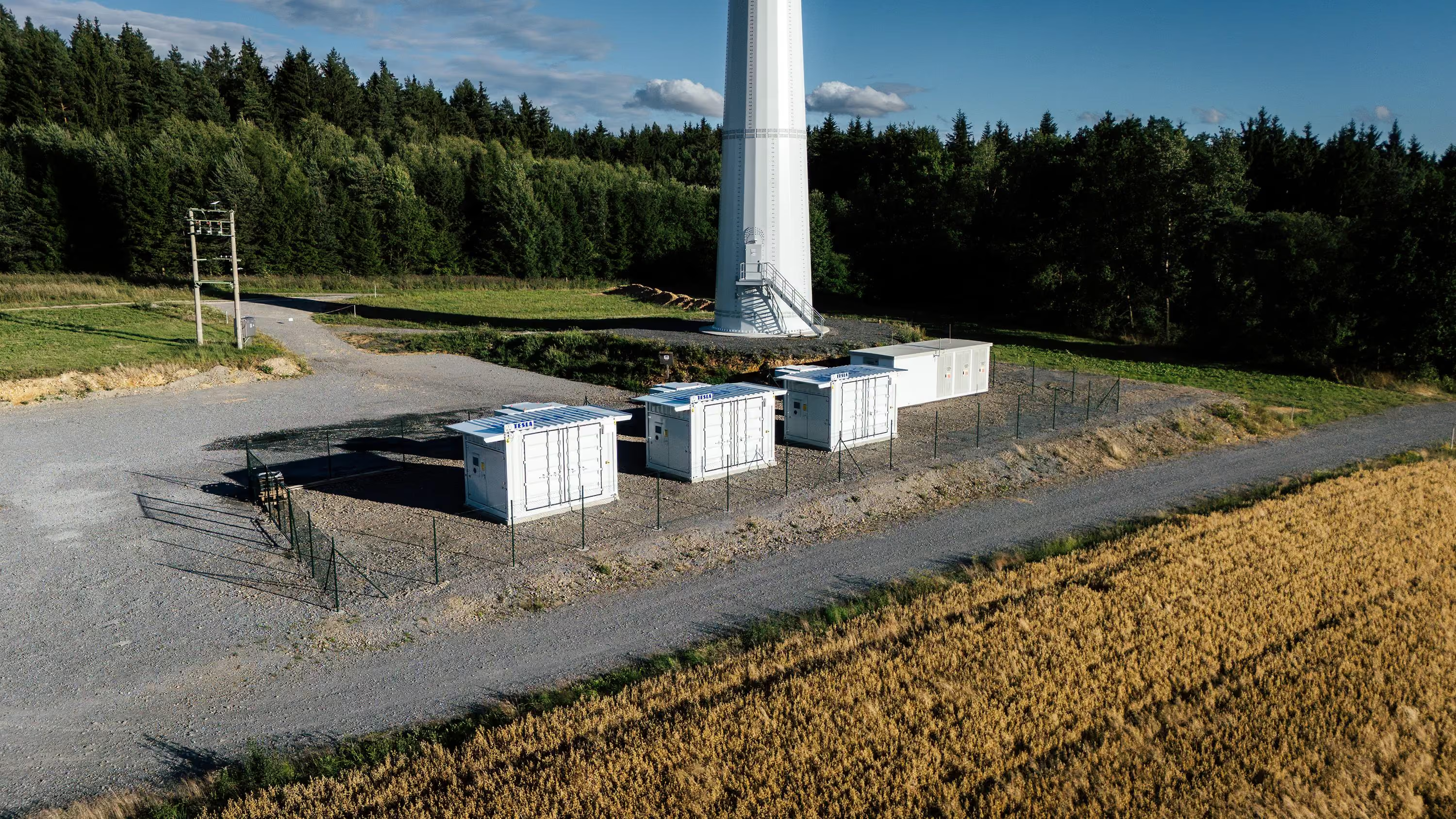
The project comprises three separate TESLA battery storage systems, each with 1 MW of power and 2.236 MWh of capacity. The entire battery system is ready to provide balancing services and is equipped with the EMAN24 control system.
Key technical parameters
- number of battery storage systems: 3,
- power per BESS: 1 MW,
- capacity per BESS: 2.236 MWh,
- total BESS power: 3 MW,
- total BESS capacity: 6.708 MWh,
- wind turbine: 4.26 MW,
- photovoltaic plant: 2 MW,
- total renewables output: 6.26 MW,
- BESS control system: EMAN24,
- balancing services readiness: FCR, aFRR, mFRR.
Five technologies within one energy system
The project is also exceptional in the way the individual sources are connected.
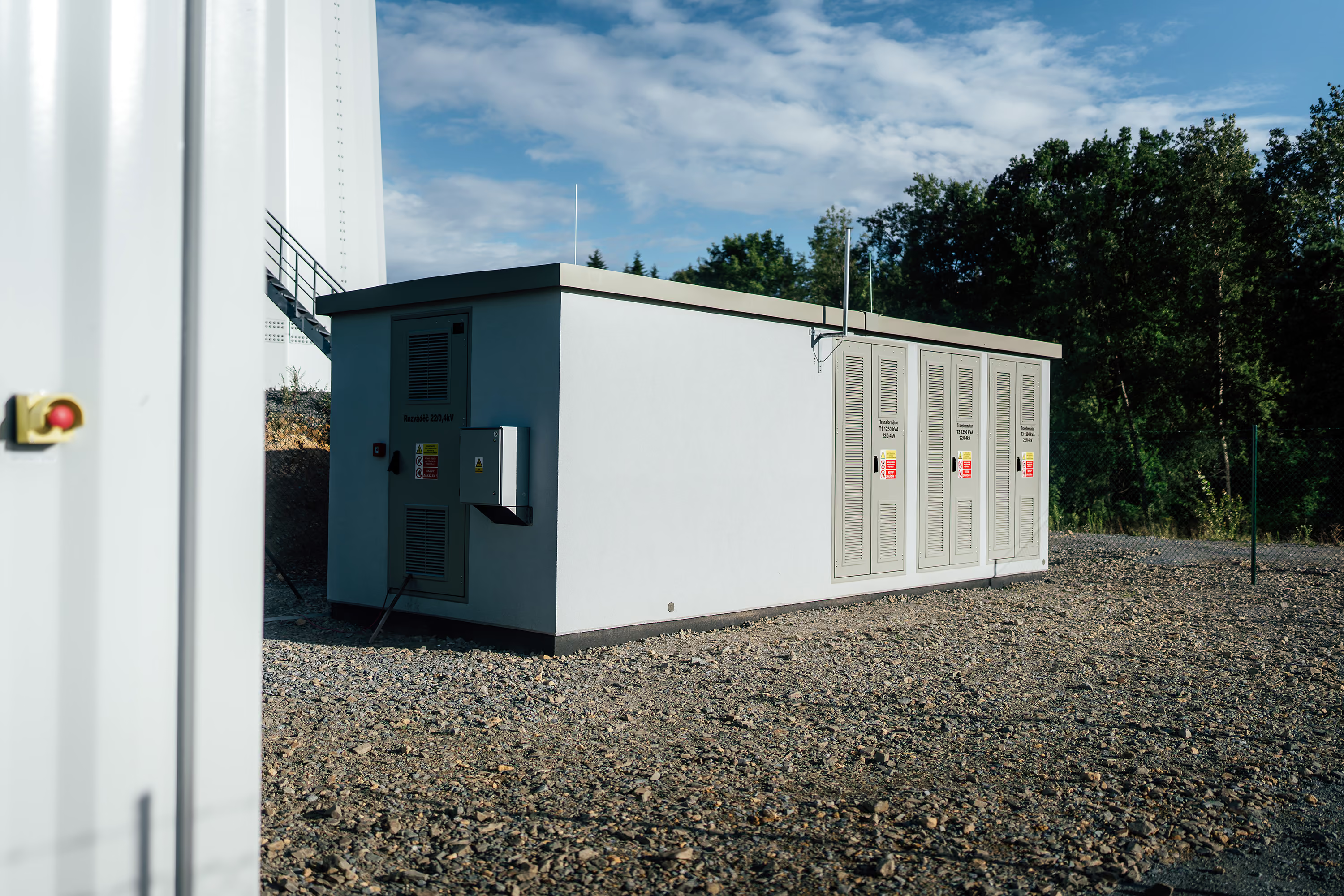
The 4.26 MW wind turbine, the 2 MW photovoltaic plant and the three battery storage systems operate under a single connection agreement with ČEZ Distribuce, with one generation EAN and one consumption EAN.
From a grid connection perspective, it is therefore a single generating facility combining five separate sources and technology units:
Wind + PV + BESS 1 + BESS 2 + BESS 3
This setup makes it possible to coordinate the operation of the individual technologies and leverage their different characteristics within one energy system.
Storage and optimisation of renewable generation
Generation from both the wind turbine and the photovoltaic plant naturally depends on current weather conditions.
The battery storage systems give both renewable sources the ability to decouple the timing of electricity generation from its subsequent use or export to the grid.
The system thus creates scope for:
- storing part of the energy generated,
- more efficient control of generation and export,
- optimising energy flows between the individual technologies,
- rapid changes in output according to the current operating situation,
- commercial use of the battery systems' flexibility.
Balancing services
The battery storage systems are ready to provide FCR, aFRR and mFRR balancing services.
Thanks to their fast response and precise power control, the batteries can act not only as storage for renewable energy, but also as an active flexible asset in the power system.
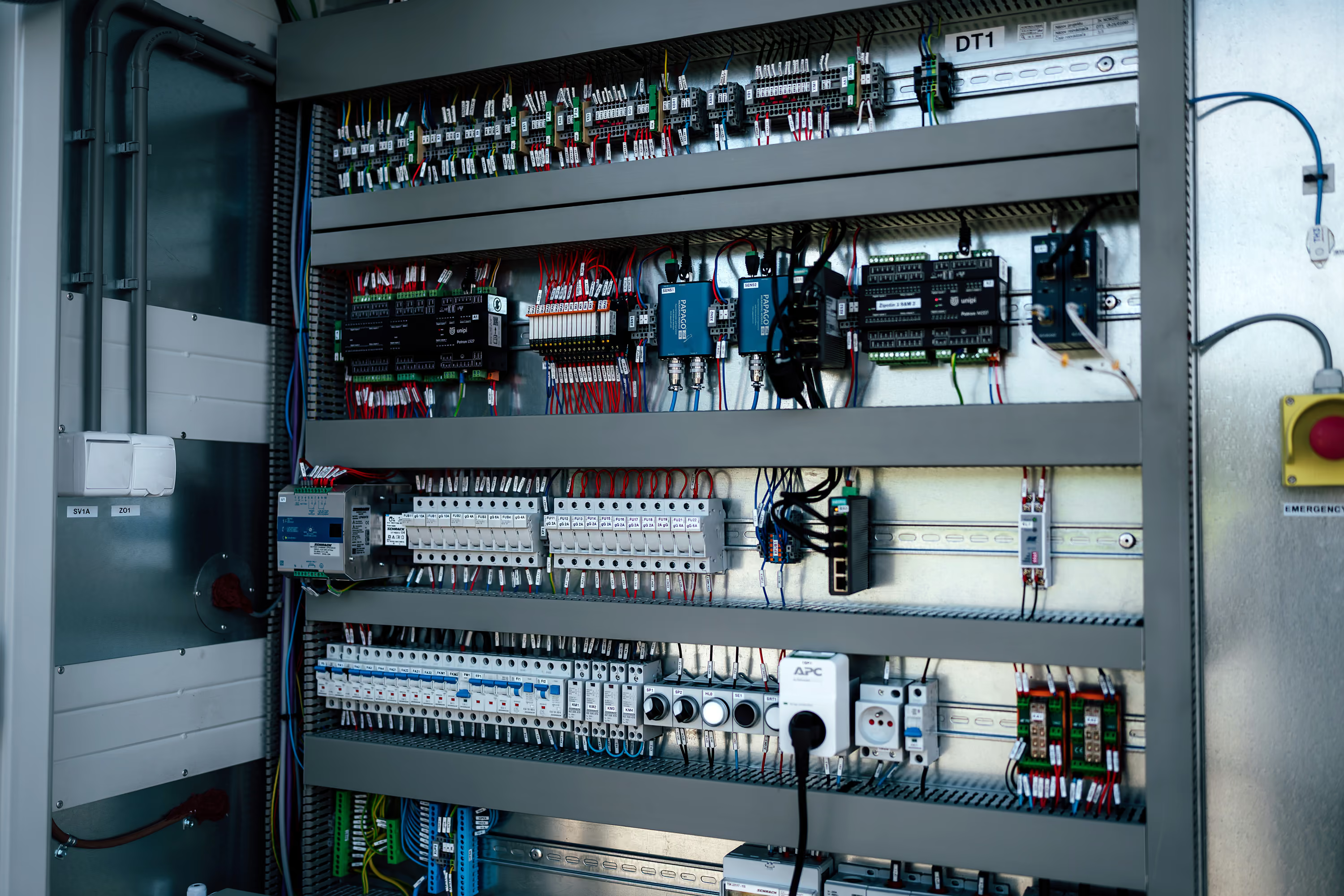
The EMAN24 control system coordinates the operation of the individual battery units and provides the basis for controlling them across the entire energy portfolio.
Preparing a local distribution system
The next development step for the project is the planned conversion of the connection point into a local distribution system (LDS).
The main aim is to create a more suitable framework for:
- separate metering of the individual sources,
- more accurate recording of energy flows,
- invoicing between the individual technologies in operation,
- commercial settlement of generation, consumption and storage.
In future, the LDS can thus provide a technical and commercial framework for more efficient operation of the entire hybrid energy system.
End-to-end delivery
In addition to supplying the technology itself, delivery of the battery storage systems also included:
- on-site installation of the equipment,
- commissioning of the systems,
- operator training,
- handover of technical, operating and user documentation,
- technical assistance and consulting related to commissioning.
Project outcome
The result of the Žipotín project is a hybrid energy system. The entire system links five technology units under a single grid connection and combines renewable generation with storage and the provision of balancing services.
The project thus lays the technical foundation for:
- optimising renewable generation,
- storing electricity,
- actively managing energy flows,
- providing technical flexibility,
- future development of its own local distribution system.
Žipotín is an example of a modern hybrid energy system in which wind and solar generation, together with battery storage, operate as one coordinated energy unit.